—Michael Lyles, B1Daily
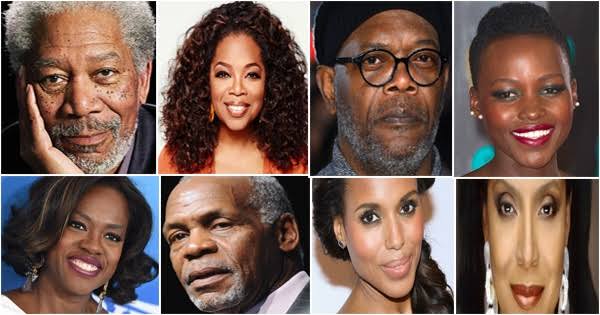
Black America has produced an extraordinary class of entertainers, athletes and entrepreneurs capable of accumulating fortunes that would have been nearly unimaginable to previous generations. Their success matters. It breaks barriers, creates cultural influence and proves that Black ownership can exist at the highest levels of American capitalism.
But there is an uncomfortable question beneath the celebration: Does having more Black millionaires and billionaires actually make the average Black household wealthier?
Representation Is Not Redistribution
A Black celebrity owning a production company, liquor brand, fashion label or investment portfolio represents genuine economic progress for that individual. It can also create Black jobs and business opportunities.
But celebrity wealth is highly concentrated.
Federal Reserve data show that the typical Black family’s wealth was about $44,900 in 2022, compared with roughly $285,000 for the typical white family. Black families had only about $16 in wealth for every $100 held by the typical white family.
Even more striking, Black families represented roughly 11% of U.S. households but held only about 2% of total household wealth.
A handful of spectacular success stories cannot erase those numbers.
Ownership Matters More Than Visibility
The more important question is what happens after someone becomes wealthy.
Does the money finance Black-owned suppliers? Does it capitalize Black businesses? Does it create companies that employ hundreds of people? Does it purchase commercial property in Black neighborhoods? Does it establish investment funds that provide entrepreneurs with capital?
That kind of ownership can produce a multiplier effect.
Federal Reserve research has noted that increasing Black business ownership could potentially reduce economic disparities because businesses can create employment and household wealth. Yet Black entrepreneurs continue to face greater difficulties obtaining credit and startup capital.
This is where celebrity capitalism can become something larger than personal success.
A wealthy entertainer buying another mansion does little to change Black economic conditions. A wealthy entertainer financing businesses, owning production infrastructure or investing in Black entrepreneurs can potentially create assets that survive long after the celebrity’s career ends.
Black Faces Cannot Substitute for Black Wealth
Representation still has value. Seeing Black executives, athletes, entertainers and entrepreneurs controlling major businesses expands what younger generations imagine possible.
But symbolism has limits.
Black America cannot celebrity its way out of a structural wealth gap.
The ultimate measurement of economic progress is not how many Black people appear on billionaire lists. It is whether ordinary Black households own more homes, businesses, stocks, land and income-producing assets.
Celebrity success should therefore be celebrated, but not confused with collective economic liberation.
The real victory comes when individual Black wealth becomes institutional Black wealth, creating businesses and assets capable of circulating opportunity beyond one famous person’s bank account.
Black representation at the top is progress.
But the scoreboard that matters most is whether more Black families are climbing with them.
—Michael Lyles, B1Daily






Leave a Reply