——Vanessa Edwards, B1Daily
Black Americans have repeatedly shaped what America listens to, wears, says and watches. From blues, jazz and hip-hop to fashion, dance, slang and internet culture, Black creativity has an extraordinary ability to move from the community into the mainstream.

The problem begins when the culture travels faster than the ownership.
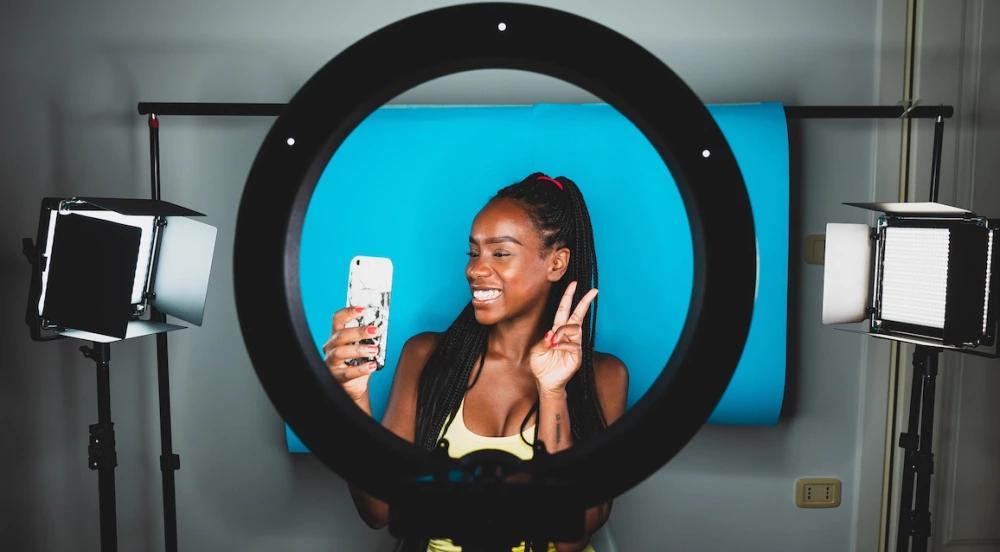
A Black creator can invent a dance, phrase or aesthetic that attracts millions of views, only to watch larger influencers, entertainment companies and brands transform the trend into sponsorships, advertising and products. The creator may receive recognition eventually, but recognition is not the same thing as ownership.
TikTok Made the Problem Impossible to Ignore
The 2021 Black TikTok strike provided a striking example. Black creators refused to develop dances for Megan Thee Stallion’s “Thot Shit” to protest what they described as a pattern of Black creators generating viral trends while larger, frequently white influencers received the attention and financial opportunities.
Creators interviewed during the protest specifically demanded credit and compensation, arguing that viral dances could increase music streams and create lucrative opportunities for everyone surrounding the trend.
Jalaiah Harmon provided an earlier example. She created the viral Renegade dance, yet other influencers initially became more closely associated with it before Harmon received widespread recognition.

The economic issue is bigger than TikTok. Academic research examining Black creators on the platform has documented concerns involving discrimination from users, companies seeking sponsored content and the algorithms determining visibility.
Black Music Already Taught This Lesson
None of this is particularly new.
Black musicians spent generations creating enormously influential forms of American music while frequently confronting an industry in which ownership, publishing and business power existed elsewhere. The Smithsonian notes that discriminatory practices historically created major barriers for Black performers, songwriters, publishers and entrepreneurs trying to obtain financial and creative power within the music industry.
That is why Ray Charles’ famous 1959 agreement was so significant. His contract with ABC gave him control over his master recordings, an extraordinary level of creative and financial control for the era.
He understood a lesson today’s creators are rediscovering: popularity creates attention, but ownership creates leverage.
The Next Fight Is Ownership
Black creators increasingly need to think beyond becoming influencers and toward becoming owners.
That means copyrights where applicable, trademarks, publishing rights, master recordings, production companies, licensing agreements, equity partnerships and direct relationships with audiences.
Brands are already recognizing creators as something more valuable than advertising billboards. In 2026, companies are increasingly bringing creators into marketing strategy and product development, raising new questions about whether creators should receive greater compensation and even equity for the cultural value they provide.
That shift should accelerate.
If a creator helps develop the language, dance, aesthetic or cultural movement that makes a campaign valuable, compensation should reflect that contribution.
Black culture does not need to be locked away from the world. Cultural influence is part of its power.
But there is a difference between sharing culture and watching someone else build an asset from your creativity.
The next chapter of Black cultural influence should therefore be about more than getting credit after something goes viral.
It should be about owning the companies, intellectual property and platforms capable of turning creativity into lasting wealth.
Black America has already proven it can create the culture. The bigger challenge is making sure it owns more of what the culture creates.
—Vanessa Edwards, B1Daily



Leave a Reply