—Vanessa Edwards, B1Daily
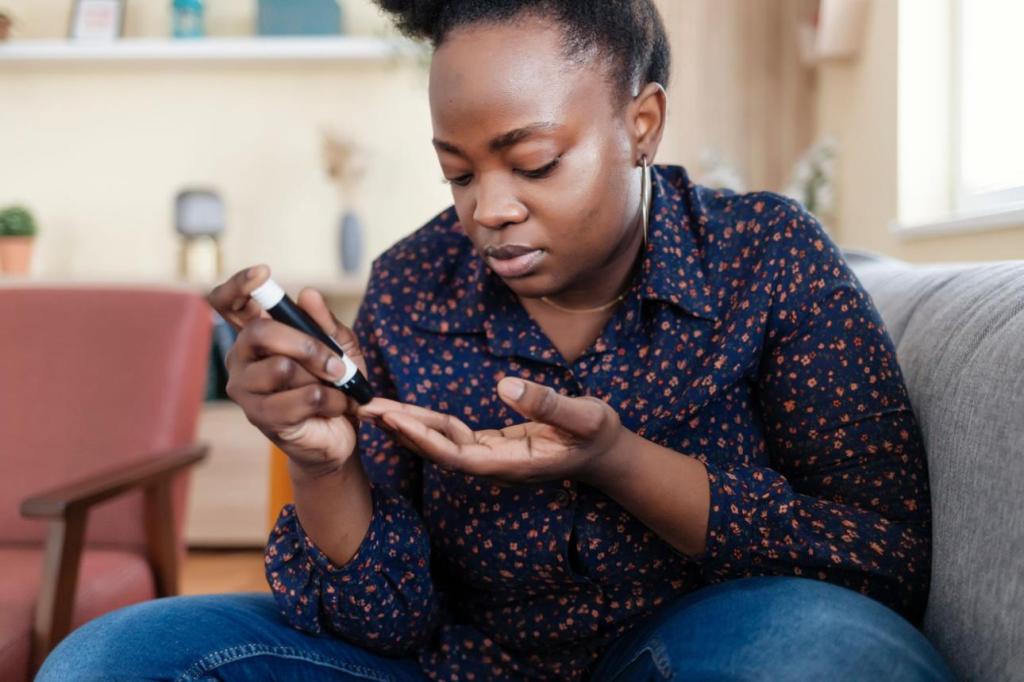
Type 2 diabetes is often presented as a simple equation of diet and exercise. But the reality is considerably more complicated, particularly for Black Americans.
The CDC identifies African Americans as one of the populations at higher risk for prediabetes and Type 2 diabetes. The disease can eventually contribute to devastating complications including heart disease, kidney disease and vision loss.

Individual behavior certainly matters. Physical activity, maintaining a healthy weight and nutritious eating can reduce the risk of developing Type 2 diabetes. But those recommendations become harder to follow when communities lack affordable nutritious food, safe places to exercise, reliable transportation or convenient access to quality healthcare.
The CDC specifically recognizes these social determinants of health as important contributors to health outcomes. Food insecurity can increase the risk of Type 2 diabetes and make the disease harder to manage because cheaper food is not always nutritionally ideal.
The consequences can become severe. Among Americans already living with diabetes, Black adults had the country’s highest rate of diabetes-related lower-limb amputations in 2019. They were 30% more likely than white adults with diabetes to experience such an amputation. The CDC identifies barriers to quality healthcare and potential medical-system biases among possible contributors.

That is why America’s diabetes conversation needs to move beyond simply blaming patients.
Personal responsibility matters, but so do the environments in which people are expected to make healthy choices.
Reducing diabetes in Black America requires prevention and individual lifestyle changes alongside better access to nutritious food, preventive healthcare, safe physical activity and affordable treatment.
Diabetes may affect individuals, but preventing it also requires healthier communities.
—Vanessa Edwards, B1Daily






Leave a Reply