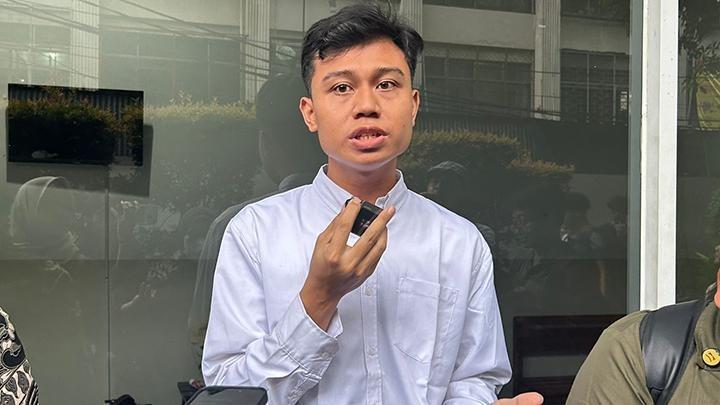
—Pratima Gadal, B1Daily
Indonesia’s streets are filling with citizens demanding cleaner government, but human-rights monitors warn that the space available to criticize that government is simultaneously shrinking.
A new CIVICUS Monitor assessment rates Indonesia’s civic space as “obstructed,” documenting allegations of arrests, intimidation, censorship and excessive force against activists, journalists and protesters under President Prabowo Subianto.

The report arrives at an especially volatile moment. Thousands recently gathered outside Indonesia’s parliament demanding stronger action against corruption and passage of the country’s long-delayed Asset Forfeiture Bill. CIVICUS says authorities deployed more than 18,000 security personnel around Jakarta during the August 27 demonstrations, while police reportedly used tear gas and water cannons and arrested dozens.
But the crackdown documented by CIVICUS stretches considerably further.
Activist Wawan Hermawan was sentenced to seven months in prison in April after reposting social-media content connected to the massive 2025 demonstrations. Another activist, Khariq Anhar, faced prosecution over a satirical social-media post. Human-rights groups argue Indonesia’s Electronic Information and Transactions law has repeatedly been used against activists, journalists and government critics.
The battle has even reached movie screens.
During May, screenings of Pesta Babi (The Pig Feast), a documentary examining environmental exploitation with particular attention to Papua, encountered intimidation and forced cancellations. CIVICUS cites reports of at least 21 incidents of intimidation surrounding screenings by May 14, including monitoring, threatening calls and shutdowns. Indonesia’s own National Human Rights Commission subsequently expressed concern and affirmed that film constitutes protected artistic expression.

Journalists have faced pressure as well. CIVICUS documents allegations that authorities seized journalists’ phones, deleted recorded material and threatened reporters. Indonesia has fallen to 129th out of 180 countries in Reporters Without Borders’ World Press Freedom Index.
Perhaps most alarming is the allegation that critics are increasingly being portrayed as enemies of the state.
CIVICUS cites Amnesty International research describing coordinated online campaigns labeling journalists, academics and activists as “foreign agents.” President Prabowo and other officials have accused some critics of being influenced or manipulated by foreign interests, rhetoric that rights organizations fear can delegitimize legitimate dissent.
Indonesia remains a democracy, and demonstrations themselves demonstrate that substantial political opposition and civil society continue to exist. But democracy requires more than elections.
It requires citizens to be able to criticize their government without wondering whether a social-media post, documentary screening or peaceful demonstration will bring police to their door.
That makes Indonesia’s current anti-corruption demonstrations about something larger than corruption.
Citizens are demanding accountability from their government while human-rights organizations are simultaneously warning that the machinery available for citizens to demand that accountability is being squeezed.
A government confident in its legitimacy shouldn’t fear criticism.
It should fear what happens when citizens conclude they are no longer allowed to give it.
—Pratima Gadal, B1Daily



Leave a Reply