—Matt Gwinta, B1Daily
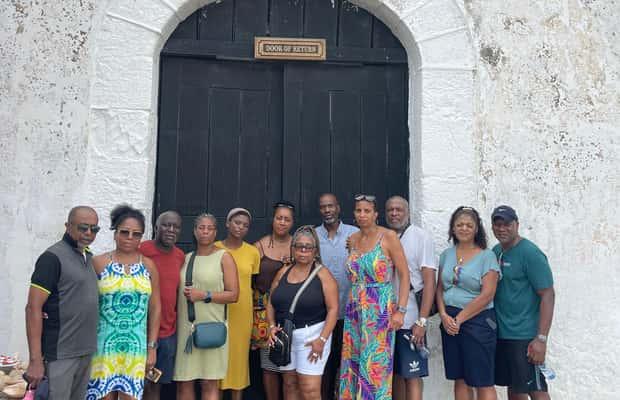
Africa has spent years calling upon its global diaspora to return home, invest in its economies, purchase property, and reconnect with its ancestral heritage. But for millions of Black American Freedmen whose ancestors were forcibly removed from the continent through the transatlantic slave trade, one question remains: Where is the widespread, legally guaranteed right to citizenship?
African governments frequently celebrate their connections to the diaspora, particularly when discussing tourism, investment, and economic development. Yet comparatively few have established comprehensive citizenship pathways specifically recognizing descendants of enslaved Africans.
The contrast with Israel’s Law of Return raises a provocative question: If Israel can establish a legal pathway to citizenship for eligible members of its Jewish diaspora, why couldn’t more African nations establish similar protections for descendants of the transatlantic slave trade?
Israel Recognized Its Diaspora. What About Africa?
Israel’s Law of Return provides eligible Jewish people and certain family members with a legal pathway to immigrate and obtain citizenship. The policy recognizes connections that extend beyond a person’s immediate birthplace.
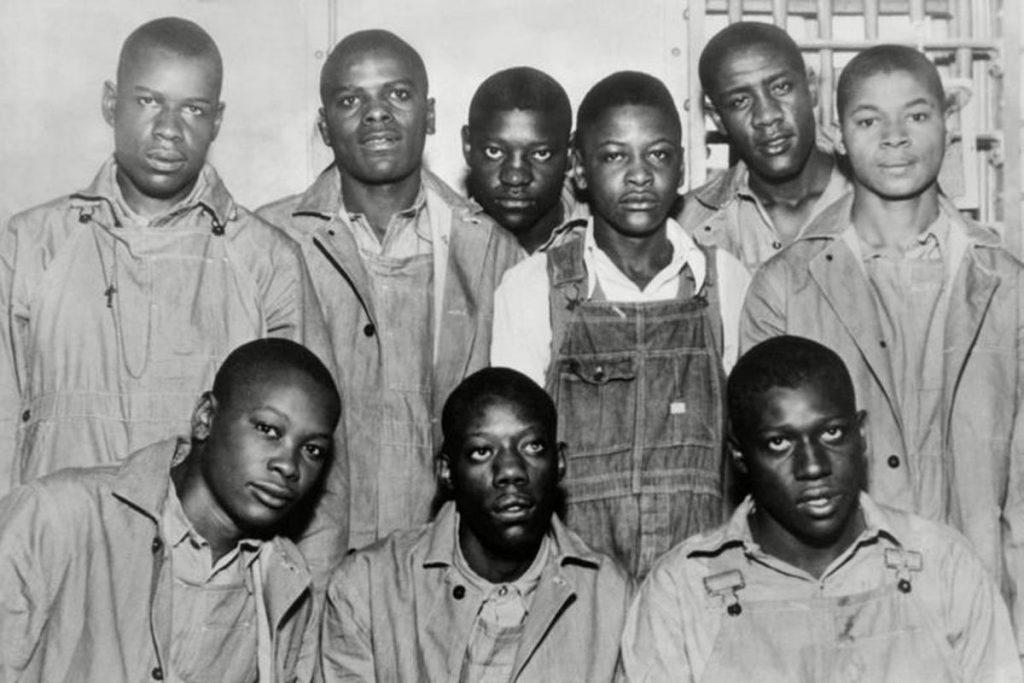
Black American Freedmen have a different but equally significant historical experience. Their ancestors did not simply emigrate from Africa seeking opportunities abroad. Millions of Africans were forcibly transported across the Atlantic, stripped of their identities, and subjected to hereditary slavery.
That history presents a unique citizenship dilemma. Enslavement destroyed genealogical records, separated families, and frequently erased the ethnic and geographic identities necessary to establish ancestry within a particular modern African country.
Demanding precise ancestral documentation from descendants whose family histories were deliberately destroyed creates an obvious obstacle.
An African right-of-return framework could recognize that historical reality rather than requiring every applicant to identify an exact ancestral village.
Ghana and Benin Have Taken Steps, but the Continent Remains Divided
To suggest that no African country has acted would be inaccurate.
Ghana has developed a Right of Abode framework allowing qualifying members of the African diaspora to reside and work permanently. It also permits dual citizenship, although residency rights and citizenship are legally distinct.
Benin has gone further by establishing a nationality-recognition program for descendants of Africans deported through the slave trade. Its 2024 legislation, subsequently amended in 2025, created an application pathway that has already resulted in citizenship recognition for members of the diaspora.
These developments demonstrate that African governments can create legally meaningful connections with descendants of enslaved people.
However, the programs remain country-specific. They do not amount to a continent-wide right of return, and their eligibility requirements, documentation procedures, and citizenship rights vary.
The broader question is whether other African governments will develop comparable frameworks.
Why Welcome Black American Money but Not Black American Citizenship?
African leaders frequently emphasize diaspora investment, international business partnerships, real estate development, and tourism. Black Americans are encouraged to explore commercial opportunities and participate in Africa’s economic growth.
But investment opportunities and citizenship rights are not interchangeable.
A wealthy investor may be able to establish a business or obtain residency while a working-class descendant of enslaved Africans faces substantial financial and administrative barriers to relocation.
That distinction deserves scrutiny. If reconnecting the diaspora is genuinely a historical priority, should eligibility depend primarily on an individual’s economic resources?
A more inclusive framework could recognize ancestry, historical displacement, and a commitment to the country rather than treating financial investment as the principal measure of belonging.
The African Union Could Help Establish a Right of Return
Africa is not a single country, and its 54 internationally recognized sovereign states maintain separate nationality laws. Any meaningful proposal must respect their sovereignty and the rights of existing citizens.
Nevertheless, the African Union could encourage participating governments to adopt a common framework for descendants of the transatlantic slave trade.
Such a framework could include recognition of documented Freedmen ancestry, accessible residency and naturalization pathways, protections for dual nationality, and reasonable alternatives to genealogical records destroyed by slavery.
It could also establish safeguards addressing security, administrative capacity, and the rights of local populations.
The objective would not be to grant Black Americans automatic political authority over African citizens. It would be to create a practical legal pathway through which historically displaced descendants could establish a new civic relationship with willing African states.
Reparations Should Include the Question of Belonging
Reparations discussions typically focus on financial compensation, land, and the economic consequences of slavery. Citizenship presents another dimension of historical repair.
Black American Freedmen developed a distinct peoplehood, culture, and national history in the United States. Recognition of African ancestry would not erase that identity or replace their claims for restitution from the American government.
Instead, dual citizenship could provide additional opportunities for cultural reconnection, family relocation, education, business development, and international mobility.
The central challenge for African governments is whether their declarations of diaspora solidarity will increasingly become enforceable legal rights.
Ghana and Benin have demonstrated possible approaches. Other governments must decide whether similar policies fit their constitutional systems, economic circumstances, and national priorities.
If Africa’s relationship with its diaspora is to mean more than ceremonial welcomes and investment conferences, citizenship deserves a serious place in the conversation.
Black American Freedmen are not merely prospective tourists or foreign investors. They are descendants of people whose connections to the continent were violently severed.
A meaningful discussion of historical reconnection must therefore ask not only how the diaspora can contribute to Africa, but also what rights African nations are prepared to extend in return.
—Matt Gwinta, B1Daily




Leave a Reply