—Matt Gwinta, B1Daily
“Come home.”
Few invitations carry more emotional weight for Black Americans.
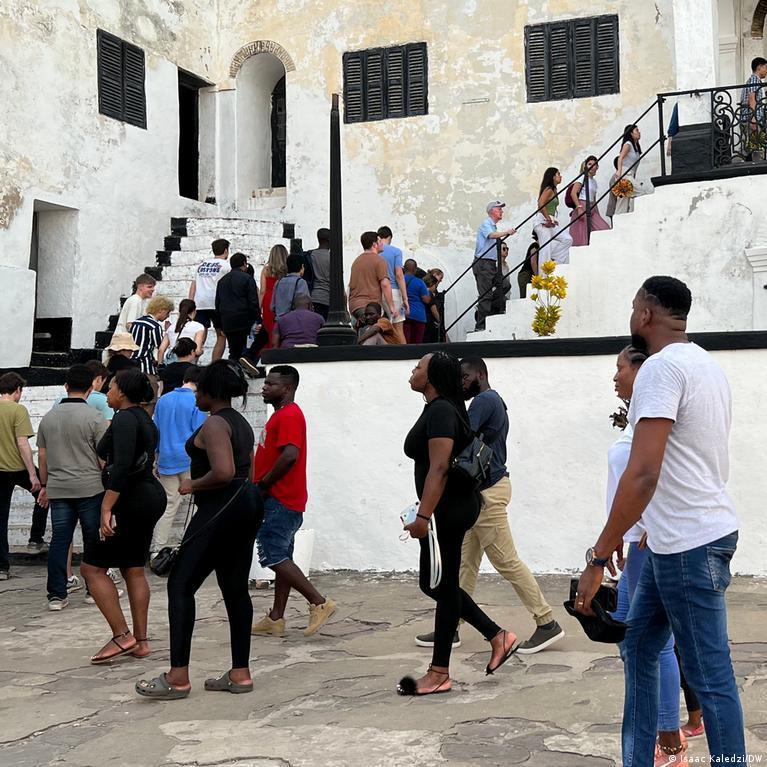
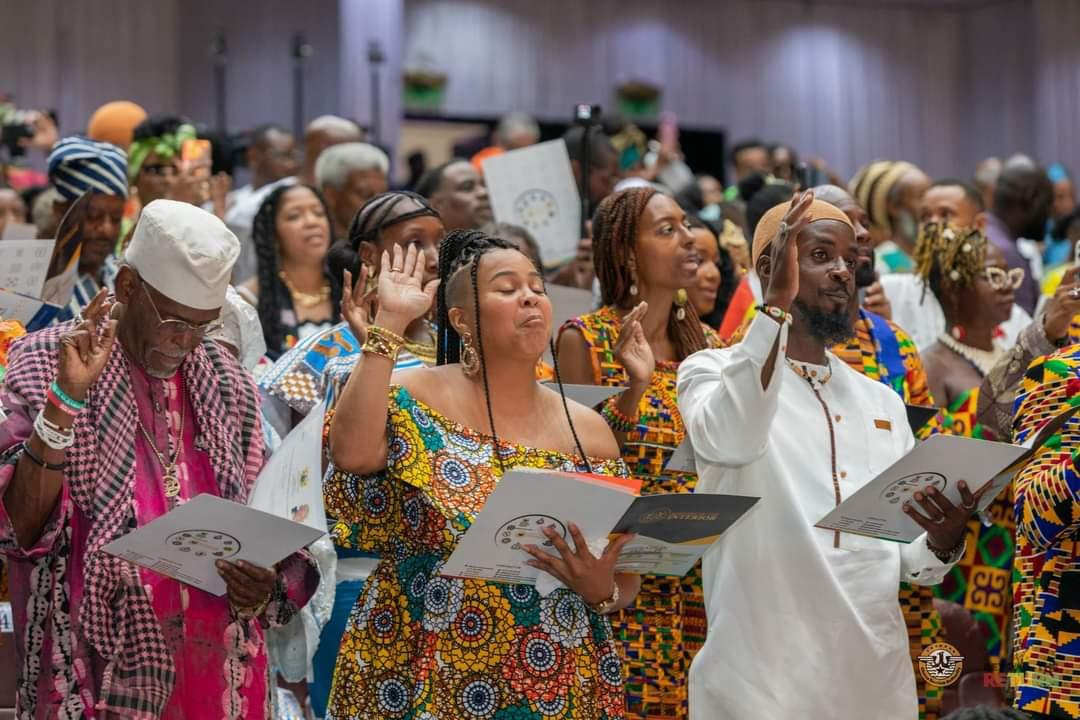
Across the Atlantic, African governments have increasingly courted the descendants of people ripped from the continent through the transatlantic slave trade. Ghana turned that appeal into an international movement with its 2019 Year of Return, encouraging members of the African diaspora, particularly Black Americans, to visit, relocate and invest. The initiative eventually evolved into the longer-term Beyond the Return campaign.
The message was powerful:
Africa remembers you.
Africa wants you.
Africa is home.
But after the ceremonies, ancestral tours and emotional visits to slave castles comes a harder question:
Are Black Americans being invited back as long-lost family, or being recruited as tourists, investors and consumers?
The answer is uncomfortable because there is evidence for both.
Ghana Built a Door Back to Africa
It would be unfair to dismiss Ghana’s outreach as nothing more than a tourism campaign.
The country has taken concrete steps toward reconnecting with the diaspora.
In November 2024, Ghana granted citizenship to 524 members of the African diaspora, many of them Black Americans. The government described the ceremony as part of a broader effort to reconnect Africa with descendants of people dispersed through slavery.
Ghanaian law also provides a potential Right of Abode for people of African descent in the diaspora, allowing approved applicants to reside permanently, enter without a visa and work without obtaining a separate work permit.
And the invitation continues.
In June 2026, President John Mahama publicly told people of African descent that Ghana was their home and encouraged them to return.
Those aren’t meaningless gestures.
But neither do they erase the frustrations some diasporans encounter after arrival.
Welcome Home. Now Open Your Wallet.
The economic dimension of the return movement has never been hidden.
Beyond the Return isn’t merely about ancestry. It is explicitly designed to encourage tourism, migration and foreign investment.
That makes economic sense for Ghana.
Black Americans arrive carrying dollars earned in one of the world’s wealthiest economies. They purchase property, stay in hotels, eat at restaurants, hire drivers, open businesses and invest in communities.
But economic enthusiasm can create an awkward question:
Would the welcome be equally enthusiastic if Black Americans arrived without American money?
Reporting from Ghana has documented diasporans complaining about being treated as economic targets.
One African-American diaspora leader living in Ghana put the problem remarkably plainly:
“Ghanaians must see us as one of them and not as cash cows.”
She described diasporans being charged higher prices for goods and property. One Ghanaian merchant openly told Al Jazeera that African-American customers were sometimes charged more because they were less likely than locals to bargain.
That doesn’t prove an entire country views Black Americans as walking ATMs.
It does demonstrate why some returnees begin questioning what “welcome home” actually means.
Black Americans Can Be Both Family and Foreigners
This is where romantic ideas about Africa collide with nationality.
A Black American can arrive in Ghana expecting ancestral recognition and discover something obvious that nevertheless catches some returnees by surprise:
Blackness does not erase nationality.
A Ghanaian is Ghanaian.
A Nigerian is Nigerian.
A Jamaican is Jamaican.
A Black American is American.
Shared ancestry can create powerful connections without producing identical cultures, histories or identities.
Black Americans have developed their own culture through centuries of life in the United States. Likewise, African societies contain languages, ethnic identities, customs and political histories that cannot simply be inherited by stepping off an airplane.
That can create misunderstandings in both directions.
Some Black Americans arrive expecting immediate acceptance as returning Africans.
Some Africans encounter Black Americans primarily as comparatively wealthy foreigners.
Both can walk away disappointed.
The Land Question Reveals the Contradiction
Nothing exposes these tensions faster than real estate.
Diasporans have purchased property and developed communities in Ghana, sometimes with encouragement from traditional leaders and government officials.
But some projects have produced disputes.
Al Jazeera reported controversies involving diaspora-oriented developments where local farmers claimed ancestral land had been allocated for development. At the same time, some returnees reported encountering inflated prices, questionable property claims and even scams from other diasporans.
There is another side.
Ghanaians themselves increasingly worry that wealthy foreigners and diasporans can drive up housing and land prices.
In parts of Accra and coastal Ghana, residents have complained that diaspora money contributes to property inflation and makes some communities increasingly unaffordable for locals.
So both communities can simultaneously feel exploited.
Black Americans may believe they are being overcharged because they’re American.
Ghanaians may believe Americans are pricing them out because they have dollars.
That isn’t a simple story of Africans exploiting Black Americans.
It’s what happens when enormous differences in purchasing power collide with emotional promises of ancestral belonging.
Citizenship Is Where “Welcome Home” Gets Tested
Tourism is easy.
Belonging is harder.
A country can invite somebody to vacation without making them a citizen.
It can encourage somebody to invest without giving them political membership.
That distinction increasingly matters to the diaspora.
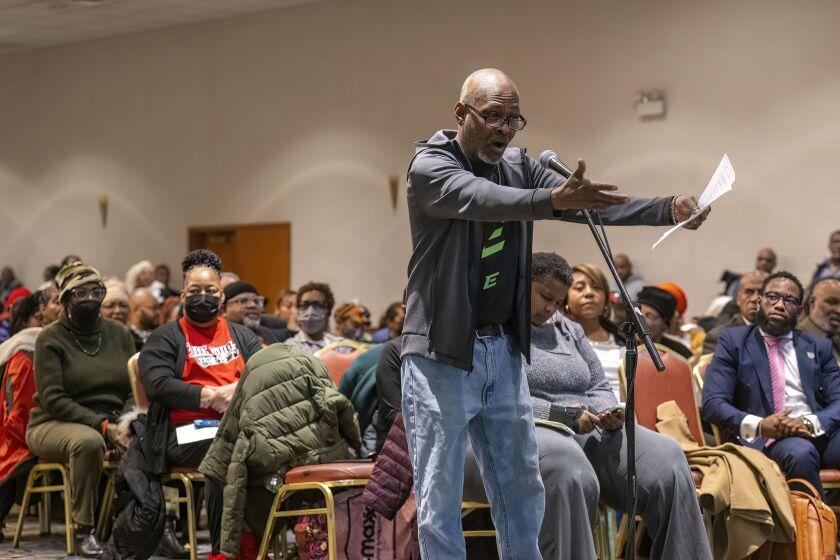
At an African Diaspora Town Hall in Accra in April 2026, participants called for easier access to citizenship, land ownership, investment and political representation, criticizing barriers that continue to complicate integration.
Ghana’s current citizenship process illustrates the tension.
The government’s Diaspora Affairs Office lists requirements that can include substantial residency in Ghana, character references, cultural assimilation, an indigenous Ghanaian language and evidence of contribution to Ghana’s development.
Those requirements aren’t inherently unreasonable. Citizenship is one of the most consequential things a country can grant.
But they raise a legitimate philosophical question.
If descendants of enslaved Africans are truly returning home, should they be treated exactly like ordinary foreigners seeking naturalization?
Or should descendants of the slave trade receive a special pathway acknowledging how their ancestors lost their connection to Africa in the first place?
Africa hasn’t reached a common answer.
Some Countries Are Beginning to Answer
Ghana isn’t alone in experimenting with diaspora citizenship.
Benin has launched a program allowing descendants of enslaved Africans to pursue citizenship. In August 2026, Cassandra Lewis, a descendant of Clotilda survivor Cudjo Lewis, became the first Clotilda descendant to receive Beninese citizenship through the country’s new initiative.
That represents something deeper than tourism.
A passport changes the relationship.
Citizenship says:
You aren’t merely visiting.
You belong here legally.
That may ultimately become the dividing line between symbolic Pan-Africanism and institutional Pan-Africanism.
Black Americans Shouldn’t Romanticize the Continent
There is also responsibility on the Black American side.
Africa isn’t Wakanda.
It is 54 countries containing more than a billion people, thousands of communities and vastly different political, economic and cultural environments.
Moving to Ghana isn’t equivalent to returning to an ancestral neighborhood that has been waiting untouched for 400 years.
Black Americans considering relocation should approach African countries the same way they would approach any major international move.
Investigate property law.
Understand residency requirements.
Research taxes.
Verify land titles.
Learn local customs.
Understand healthcare.
Study business regulations.
Build relationships with locals rather than living entirely inside expatriate communities.
And most importantly, don’t confuse ancestral connection with automatic social acceptance.
Africa Shouldn’t Romanticize Black Americans Either
The responsibility runs both ways.
Black Americans aren’t simply Americans with disposable income.
Their relationship with Africa exists because millions of their ancestors were forcibly removed from the continent and denied the ability to preserve direct national identities.
That history deserves something more meaningful than tourism advertising.
If African governments genuinely want Black American investment, they should also consider what Black Americans receive in exchange.
Clear property rights.
Transparent investment rules.
Protection against fraud.
Reasonable residency pathways.
Meaningful citizenship opportunities.
And recognition that diaspora engagement cannot simply mean extracting American dollars while keeping Americans of African descent permanently outside the national family.
Investment should create reciprocity.
So, Are Black Americans Welcome?
Yes.
And sometimes no.
And sometimes the answer depends upon who is doing the welcoming.
There are Africans who sincerely embrace Black Americans as relatives separated by history.
There are governments genuinely experimenting with citizenship and permanent residency.
There are businesses that see diaspora tourism as an economic opportunity.
There are people who see Americans and immediately see dollars.
There are Black Americans building meaningful lives, businesses and families in African countries.
And there are others who arrive with romantic expectations and eventually leave disappointed.
All of those realities can exist simultaneously.
The mistake is demanding a simple answer from an entire continent.
But African governments themselves have raised expectations by using the language of return.
And once you tell people they are coming home, they will eventually ask what home actually means.
A festival isn’t home.
A hotel isn’t home.
A real-estate development isn’t home.
A tourism slogan certainly isn’t home.
Home means belonging even after the vacation money disappears.
If Africa wants a genuine relationship with Black America, the next phase of the return movement cannot simply be about convincing Black Americans to visit, invest and spend.
It has to answer the harder question:
What does Africa intend to offer them besides a welcome sign at the airport?
—Matt Gwinta, B1Daily



Leave a Reply