—Vanessa Edwards, B1Daily
The modern LGBTQIA+ movement did not begin with corporate rainbow logos, celebrity endorsements, or polished Pride festivals. Some of its most important early battles were fought by people living much closer to society’s margins, including Black transgender and gender-nonconforming activists who confronted police harassment, homelessness, discrimination, and exclusion.
That history deserves precision. LGBTQ activism existed well before Stonewall, including organizations such as the Mattachine Society and earlier protests and uprisings. Stonewall therefore wasn’t literally the beginning of LGBTQ rights activism. But the 1969 uprising became a major catalyst for a much larger, more confrontational liberation movement, and transgender and gender-nonconforming people of color were part of that history. National Park Service
Marsha P. Johnson and a Movement From the Streets
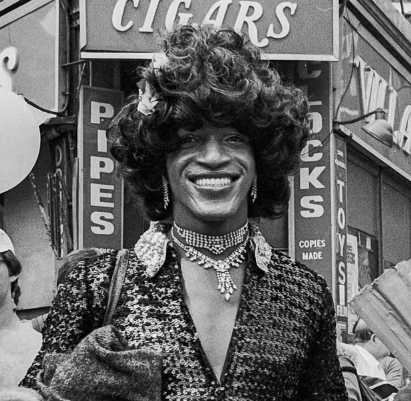
Few figures symbolize that history more powerfully than Marsha P. Johnson, the Black activist remembered for her involvement in the movement surrounding Stonewall. Johnson became active in the Gay Liberation Front and, alongside Sylvia Rivera, co-founded Street Transvestite Action Revolutionaries (STAR) in 1970. STAR did something profoundly practical: it worked to provide shelter and support to homeless transgender and queer young people. National Park Service
That matters because Johnson and Rivera were pushing liberation beyond the question of whether middle-class gay Americans could simply be accepted by mainstream society. Their activism demanded attention for people who were poor, homeless, transgender, gender-nonconforming, or otherwise pushed to the edges of the emerging movement.
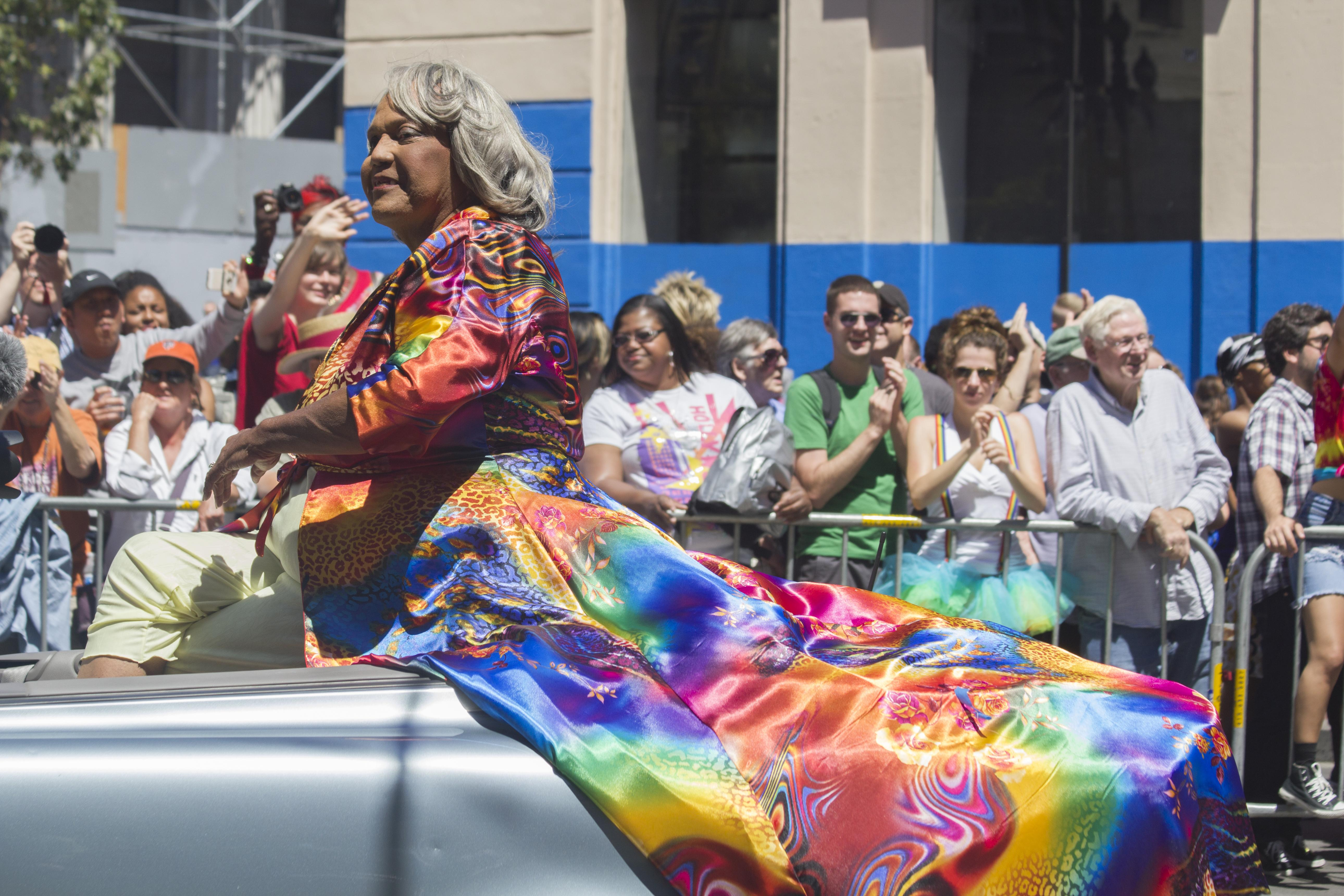
Another Black transgender pioneer, Miss Major Griffin-Gracy, carried that struggle forward for decades. The National Park Service identifies Miss Major as a transgender activist and community leader who was present during the Stonewall era and later worked extensively around HIV/AIDS, incarceration, and transgender rights. National Park Service
The History Is Bigger Than One Night
Reducing LGBTQ history to the question of who “started Stonewall” actually undersells the contribution of Black trans pioneers. Stonewall itself involved a diverse crowd, and historians dispute simplified accounts assigning the uprising to any single individual. What is much clearer is what happened afterward: activists such as Johnson helped build organizations, housed vulnerable young people, marched, protested and demanded that liberation include people whom even parts of the LGBTQ community were willing to overlook. Park Planning
Today’s LGBTQIA+ movement is much larger and more diverse than those early organizations. But whenever Pride celebrates transgender visibility, racial equality and protection for LGBTQ youth, it walks along roads that Black transgender and gender-nonconforming pioneers helped clear when doing so could mean arrest, poverty, violence or homelessness.
Their place in the history isn’t a footnote. It is part of the foundation.
—Vanessa Edwards, B1Daily



Leave a comment