—Terrence Dorner, B1Daily
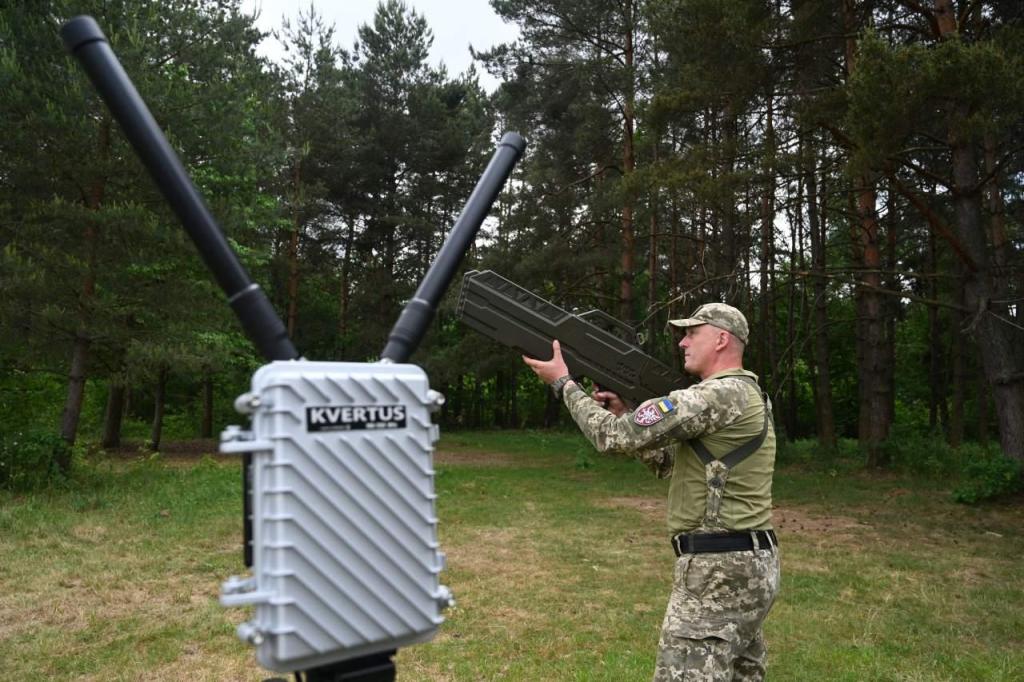
Russia and Ukraine are fighting a technological war that extends far beyond missiles, tanks, and artillery. One of its most consequential battlegrounds is invisible: the electromagnetic spectrum, where radio signals determine whether a drone can navigate, communicate, or reach its target.
According to a November 2 Defense News report, Russia is equipping its attack drones with increasingly sophisticated antennas designed to overcome Ukrainian electronic warfare systems. Its Kometa navigation modules now include 16-element antenna arrays, with 20-element versions entering production and some drones reportedly carrying 32-element configurations.
The purpose is straightforward. Ukrainian forces use electronic interference to disrupt Russian drone navigation, while Russia modifies its equipment to resist that interference.
For African nations, Caribbean governments, and Black American communities concerned about targeted violence, the larger lesson is not simply about acquiring military hardware. It is about understanding how emerging technology can protect civilians when conventional security systems prove inadequate.
Electronic Warfare Is Changing the Meaning of Defense
Electronic jamming works by interfering with radio signals used for navigation or communication. Depending on a drone’s design, this interference can interrupt its connection with an operator, degrade positioning accuracy, or force it to rely on alternative navigation systems.
Ukraine has employed electronic warfare as one layer of defense against Russian aerial attacks. Compared with expensive interceptor missiles, some electronic countermeasures can provide a relatively economical means of protecting infrastructure and populated areas.
But Russia’s improvements reveal the technology’s limitations. Larger, more sophisticated antennas can help drones distinguish legitimate satellite signals from interference, making conventional jamming less effective.
This technological competition demonstrates why no single protective system should be treated as a permanent solution.
What African Nations Can Learn
African governments face varied security challenges, including insurgent violence, attacks on infrastructure, border surveillance problems, and the growing availability of inexpensive commercial drones.
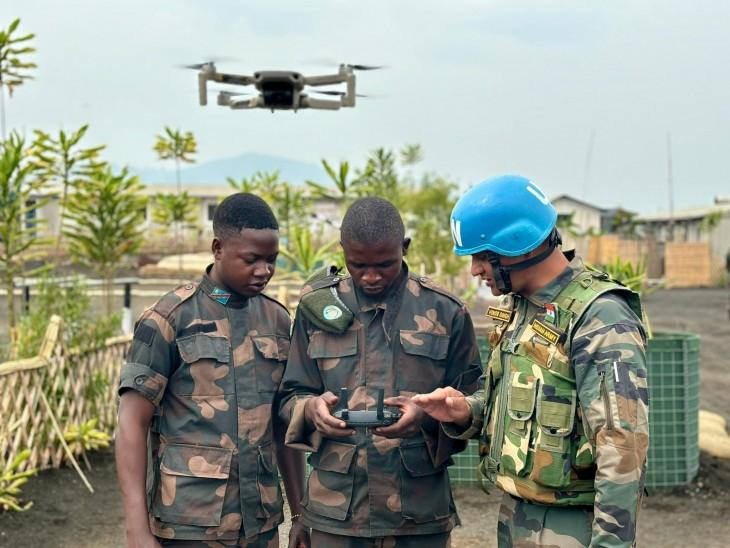
Ukraine’s experience offers lessons in domestic technical expertise, rapid innovation, and coordinated civilian protection.
Governments could invest in university research, lawful counter-drone programs, early-warning networks, and specialized emergency-response teams. Regional partnerships could also help smaller countries share expertise and reduce dependence on expensive imported defense systems.
However, electronic warfare must be carefully regulated. Uncontrolled jamming can interfere with aviation, emergency communications, and civilian navigation systems.
The strongest lesson from Ukraine is therefore the importance of developing technical capacity alongside clear civilian oversight and safety standards.
The Caribbean Has Its Own Security Concerns
Caribbean nations face a different combination of risks, including hurricanes, organized crime, vulnerable maritime infrastructure, and interruptions to emergency communications.
For island governments, the Ukrainian conflict illustrates the value of understanding both drone technology and communications resilience.
Authorities could explore licensed counter-drone capabilities for sensitive infrastructure, improve detection systems around airports and ports, and establish redundant emergency communication networks.
These investments could also strengthen disaster preparedness. When hurricanes destroy cellular towers or electrical infrastructure, resilient communications can become as important as physical security equipment.
Importantly, ordinary radio jamming is not an appropriate general-purpose hurricane response. Backup power, satellite communications, and interoperable emergency radio systems would usually provide more direct benefits.
Black America and the Threat of Racially Motivated Violence
For Black Americans, the discussion involves a different security concern: protecting communities from racist intimidation, hate crimes, and potentially technology-assisted harassment.
The history of racially motivated violence in the United States gives community safety organizations legitimate reasons to examine emerging threats, including the misuse of commercial drones for surveillance or intimidation.
But Ukraine’s battlefield technology cannot simply be transferred into American neighborhoods.
Private individuals generally cannot legally operate radio-frequency jammers in the United States. Such devices can disrupt emergency services, aviation, and other protected communications, potentially creating greater dangers for the very communities they are intended to protect.
Instead, Black community organizations could benefit from lawful drone-detection awareness, security cameras, emergency alert networks, incident documentation, and partnerships with trained public-safety professionals.
Civil rights organizations could also advocate for stronger enforcement against drone-assisted stalking, threats, and racially motivated harassment.
The objective would be civilian protection, not turning neighborhoods into unauthorized electronic warfare zones.
Technology Alone Cannot Replace Community Preparedness
Ukraine’s experience demonstrates that modern defense depends on more than possessing sophisticated equipment. It requires trained personnel, reliable communications, rapid threat reporting, and the ability to adapt as technology changes.
For Black communities, African nations, and Caribbean governments, those principles can inform practical emergency planning.
Community institutions, schools, churches, businesses, and local governments can coordinate evacuation procedures, establish emergency contacts, train volunteers, and improve communication during threats.
In situations involving suspected extremist violence, the most immediate priorities remain warning potential victims, contacting emergency responders, preserving evidence, and moving people to safety.
Electronic warfare may have a role in specialized government security operations, but it is not a substitute for those basic protections.
A Technological Lesson Beyond Ukraine
Russia’s expanding anti-jamming capabilities demonstrate how quickly military technology can evolve. A defensive measure that works today may become less effective tomorrow, requiring constant research and adaptation.
For countries with limited defense budgets, that reality strengthens the case for domestic engineering, technical education, and carefully designed security partnerships.
For Black American communities, it highlights the importance of understanding emerging threats without adopting dangerous or unlawful military practices.
The central lesson is that communities and governments benefit from preparing before a crisis, rather than discovering their technological vulnerabilities during one.
Ukraine’s electronic warfare struggle is ultimately a reminder that security in the modern world increasingly depends on knowledge, coordination, and resilient systems, not merely the size of an arsenal.
—Terrence Dorner, B1Daily




Leave a Reply