—Vanessa Edwards, B1Daily
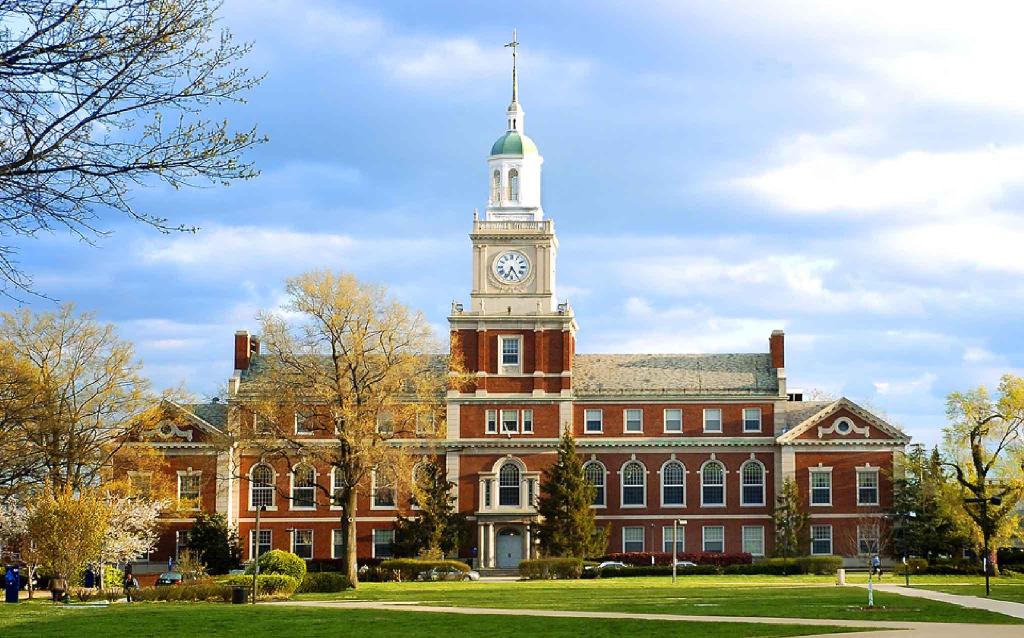
Historically Black colleges and universities occupy a revered position in Black American history. They educated generations of teachers, physicians, attorneys, scientists, and political figures when predominantly white institutions routinely denied Black Americans educational opportunities.
Their historical contributions are undeniable. But history cannot become a permanent exemption from scrutiny.
Today, HBCUs proudly celebrate graduates who enter Congress, corporate boardrooms, federal agencies, and prestigious law firms. Alumni achievements become fundraising material, institutional advertisements, and evidence of educational excellence.
Yet an uncomfortable question remains: What good is producing an impressive Black professional class if Black communities continue struggling to secure meaningful economic and political power?
The issue is not whether HBCUs produce exceptional individuals. They clearly do. The issue is whether their institutions consistently cultivate leaders committed to transforming the conditions facing the communities from which they emerged.
Prestige Is Not the Same as Leadership
HBCUs have educated extraordinary figures, including Martin Luther King Jr., Thurgood Marshall, Toni Morrison, and numerous pioneering scientists and public servants.
But celebrating historic graduates does not answer whether contemporary institutions are preparing students to confront modern challenges.
Black Americans continue facing substantial disparities in household wealth, homeownership, access to business capital, and educational resources. Political representation has expanded, yet representation alone has not eliminated those disparities.
That does not establish that HBCUs caused these problems or failed to educate capable leaders. Their graduates operate within political and economic systems far larger than any university.
Nevertheless, institutions that publicly emphasize leadership development should welcome questions about what that leadership actually accomplishes.
A congressional title, corporate executive position, or university presidency is evidence of professional advancement. It is not automatically evidence of transformative community leadership.
The Missing Ingredient: Economic Independence
One criticism of contemporary Black leadership is that too much emphasis falls on gaining access to established institutions and too little on building independent economic power.
A graduate may become a successful corporate attorney, investment banker, or elected official while remaining disconnected from the economic struggles of the neighborhood where they grew up.
That disconnect is not unique to HBCU graduates. It is a broader challenge facing elite higher education.
Nevertheless, HBCUs possess a distinctive historical mission. Their responsibility to Black communities invites questions about whether their leadership programs adequately emphasize cooperative economics, entrepreneurship, community investment, public accountability, and institution-building.
Imagine universities that measured their success not only by graduate salaries and prestigious appointments, but also by the number of businesses their alumni helped establish, affordable housing projects they supported, and community institutions they strengthened.
Such measures would not replace academic achievement. They would expand its meaning.
Black Academia Must Also Examine Itself
The controversy surrounding Dr. Frances Cress Welsing illustrates another important concern: how Black academic institutions respond to unconventional intellectual perspectives.
Welsing’s supporters criticized Howard University for failing to provide institutional recognition for her influential theories on racism and white supremacy. Some of her explanations remain scientifically disputed, but her influence on Black political thought is undeniable.
Universities should not be required to endorse unsupported theories. They should, however, encourage rigorous debate, preserve intellectual history, and make room for serious disagreement.
The next generation of Black leaders needs more than professional credentials. It needs the ability to challenge established assumptions, evaluate evidence, and develop independent solutions.
The Funding Problem Cannot Be Ignored
Criticism of HBCUs must also acknowledge their financial circumstances.
According to the United Negro College Fund’s 2024 economic impact report, HBCUs generate approximately $16.5 billion in annual economic activity and support more than 136,000 jobs. Their graduates also experience significant gains in lifetime earnings.
Meanwhile, longstanding funding disparities have restricted institutional resources. A 2025 report from the National Association for College Admission Counseling found that public HBCU endowments per full-time student averaged approximately half those of public non-HBCUs.
These figures complicate any sweeping claim that HBCUs have failed to produce exceptional leadership. Their educational and economic contributions are substantial, even while questions remain about their broader community impact. UNCF+1
Black Leadership Must Be Measured by Results
HBCUs should continue producing physicians, engineers, attorneys, educators, and executives. Those achievements are essential.
But their leadership mission could become more ambitious.
Imagine a generation of graduates equipped not merely to enter powerful institutions, but to create new ones. Graduates capable of organizing community investment funds, developing housing cooperatives, expanding Black-owned manufacturing, and building independent research organizations.
That kind of leadership would connect individual achievement to collective advancement.
The real challenge is developing institutions that teach students how to exercise power responsibly, measure the consequences of their decisions, and remain accountable to the communities they claim to represent.
HBCUs have demonstrated that they can produce extraordinary Black professionals. The next question is how effectively they can translate that talent into lasting Black institutional and economic power.
Their historic mission deserves nothing less than that level of ambition.
—Vanessa Edwards, B1Daily



Leave a Reply