—Matt Gwinta, B1Daily
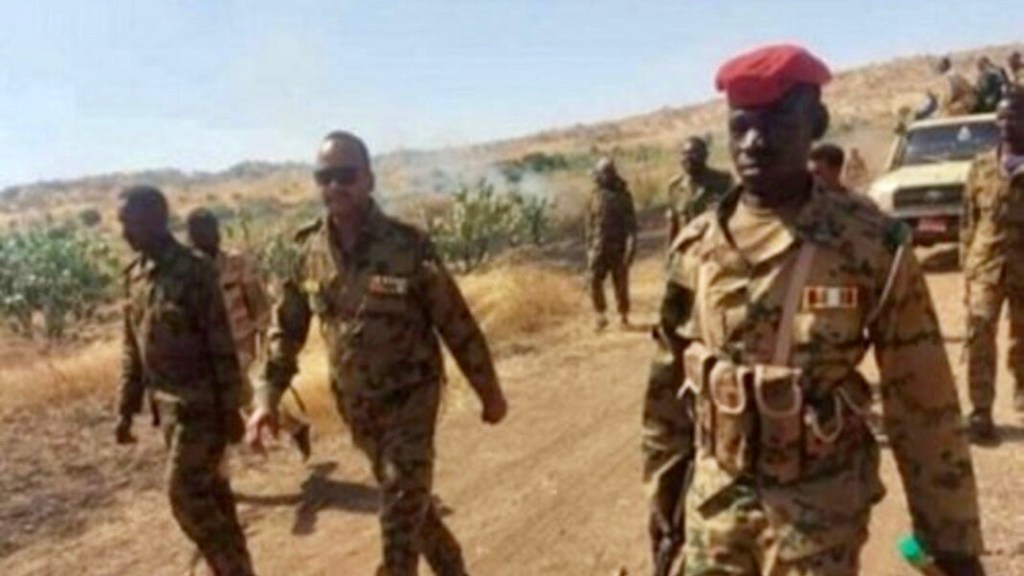
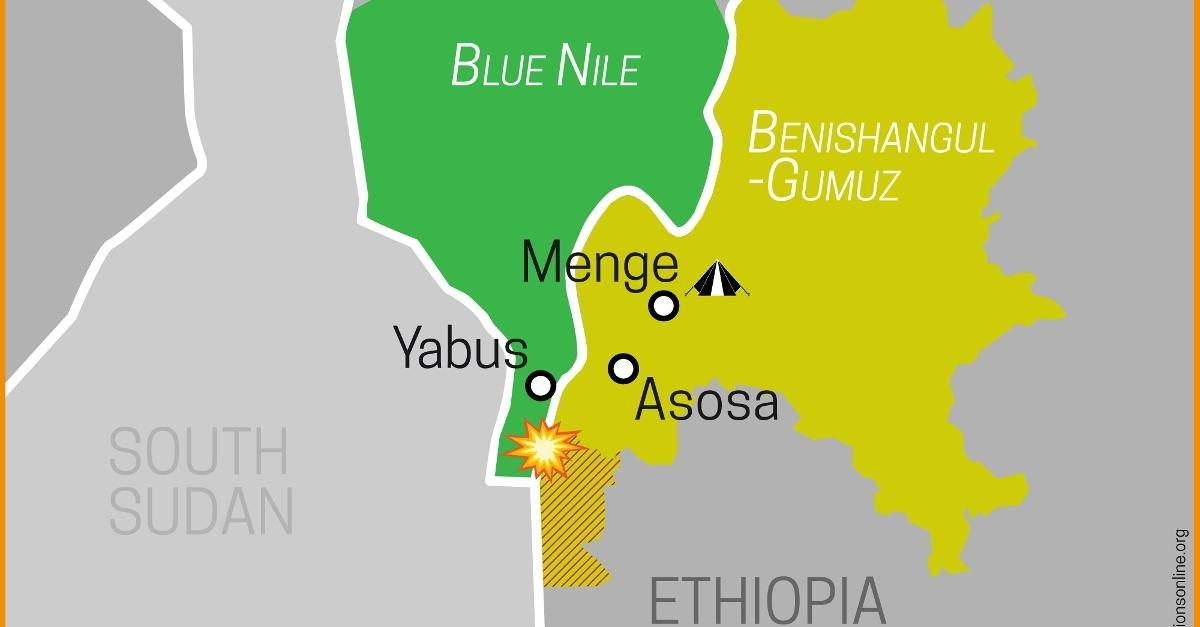
Relations between Ethiopia and Sudan have deteriorated following Ethiopia’s decision to expel six Sudanese consular employees and close Sudan’s consulate in the western Ethiopian city of Assosa.
The November 4 developments came amid accusations from Sudan that armed drones attacking its infrastructure were being launched from Ethiopian territory.
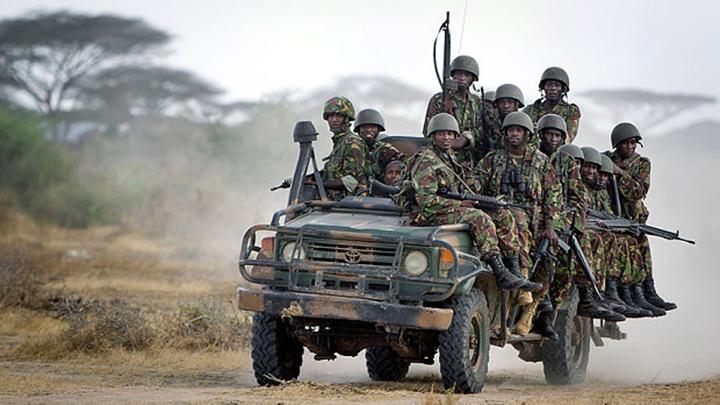
The allegations have introduced another source of instability into a region already confronting civil war, displacement, and competing security interests.
Sudan Accuses Ethiopia of Facilitating Attacks
Sudanese authorities have alleged that drones used by the paramilitary Rapid Support Forces were supplied by the United Arab Emirates and launched from Ethiopian territory.
Sudan says it submitted complaints to the United Nations Security Council and the African Union’s Peace and Security Council.
Ethiopia and the UAE have repeatedly denied allegations of supporting the RSF.
The allegations remain disputed, and the reported diplomatic expulsions do not independently establish that Ethiopia facilitated the attacks.
Nevertheless, the confrontation illustrates how Sudan’s civil war is increasingly affecting relationships with neighboring governments.
A Wider Diplomatic Crisis
Ethiopia’s dispute with Sudan is not occurring in isolation.
Addis Ababa has also experienced serious diplomatic tensions with Eritrea and Egypt.
Ethiopia expelled Eritrean diplomats in October, after which Eritrea severed diplomatic relations. Its relationship with Egypt remains strained by disagreements over the Grand Ethiopian Renaissance Dam and Nile River water security.
These overlapping disputes create a difficult diplomatic environment for Ethiopia, which must manage internal security pressures alongside increasingly contentious regional relationships.
Sudan’s Civilians Pay the Price
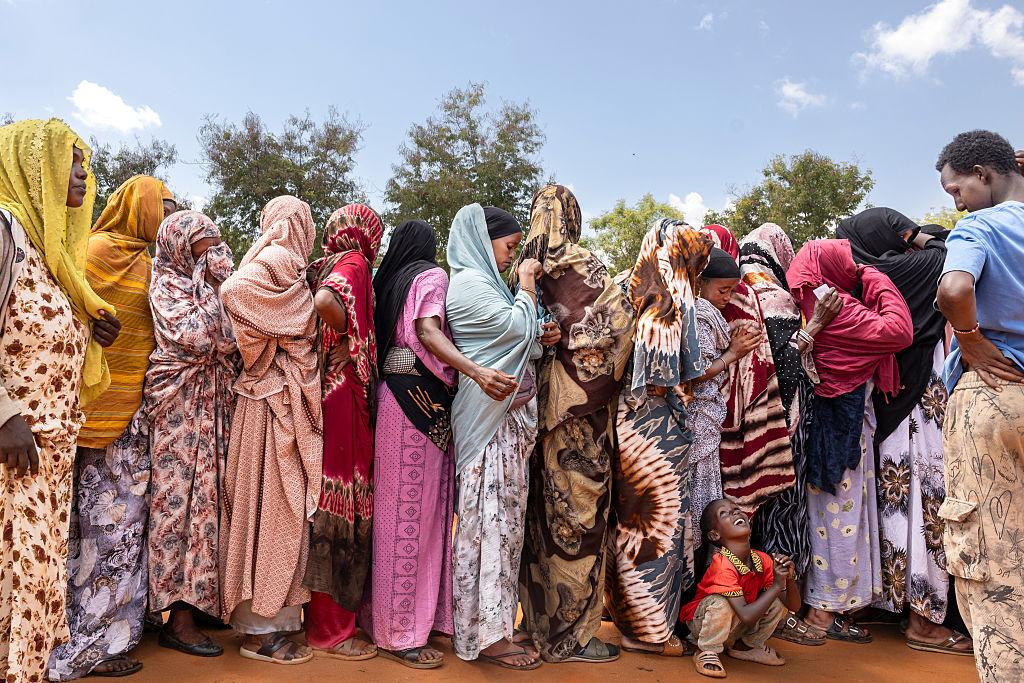
Sudan’s war between the national armed forces and the RSF has devastated civilian communities and displaced millions.
Attacks on electricity infrastructure have further disrupted essential services, including water supplies and medical facilities.
If diplomatic disagreements expand into direct military confrontation, the humanitarian consequences could become even more severe.
Both governments face pressure to resolve their differences through diplomatic channels while avoiding actions that could widen the conflict.
The immediate question is whether regional institutions can facilitate negotiations before accusations and retaliatory measures develop into a broader confrontation.
For East Africa and the Horn of Africa, another interstate crisis would place additional strain on an already fragile security environment.
—Matt Gwinta, B1Daily


Leave a Reply