—Matt Gwinta, B1Daily
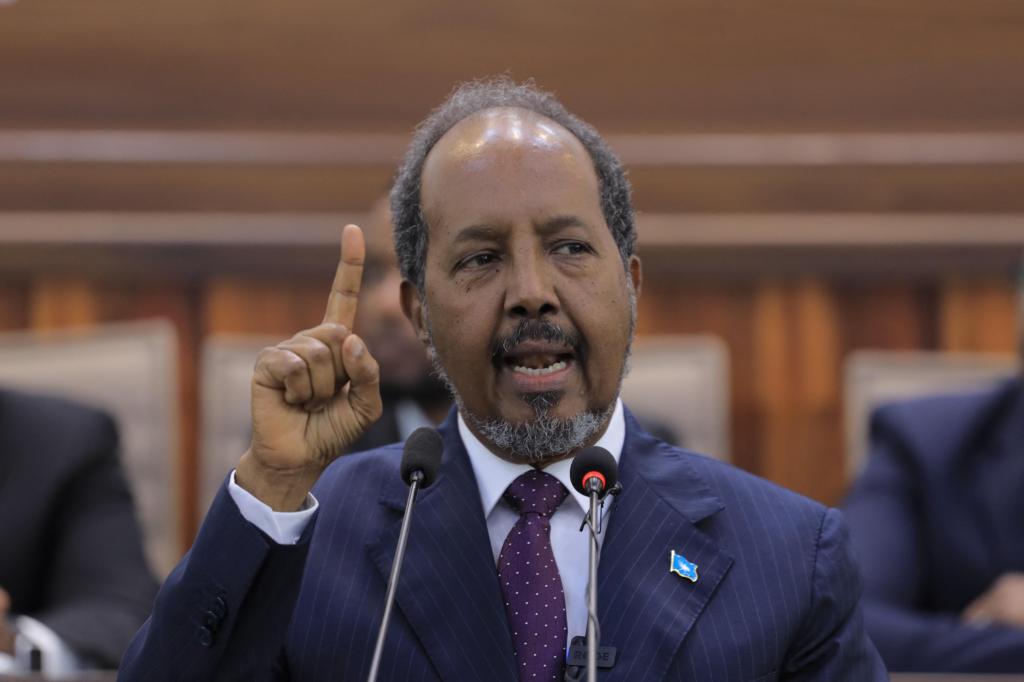
Somalia’s political leadership has entered a constitutional confrontation after the country’s Supreme Court ruled that President Hassan Sheikh Mohamud’s term had expired, rejecting his administration’s argument that constitutional amendments permitted him to remain in office until 2027.
The ruling, issued November 6, followed Mohamud’s controversial dismissal of Chief Justice Baashe Yusuf Ahmed, a move the court rejected as unconstitutional.
The dispute has created uncertainty over presidential authority, electoral procedures, and the independence of Somalia’s judiciary.
A President and a Court at Odds
At the center of the crisis is the president’s effort to restructure Somalia’s electoral system.
Mohamud has promoted constitutional changes and direct elections as part of a broader effort to replace the country’s complicated indirect voting arrangements.
Opposition figures and some regional authorities, however, have challenged both the legitimacy of the constitutional amendments and the president’s authority to extend his mandate.
The Supreme Court ordered political leaders to agree on an electoral framework within 30 days and hold elections within 90 days. It also sought to limit the government’s activities to routine administration.
But the court left a critical question unresolved: Who would exercise presidential authority if those deadlines passed without an agreement?
That uncertainty creates the possibility of competing claims to constitutional legitimacy.
Judicial Independence Under Pressure
The attempted removal of the chief justice has intensified concerns about executive interference in the judiciary.
An independent court must be capable of reviewing presidential actions without facing retaliation for unfavorable decisions.
Mohamud’s administration has not publicly provided a response resolving the court’s objections, leaving the confrontation unsettled.
The political consequences could extend beyond Mogadishu.
Somalia’s federal system depends on cooperation between national and regional authorities, several of which have already disputed the government’s constitutional reform agenda.
Al-Shabaab Remains a Threat
The constitutional crisis is unfolding while Somalia continues fighting the militant organization al-Shabaab.
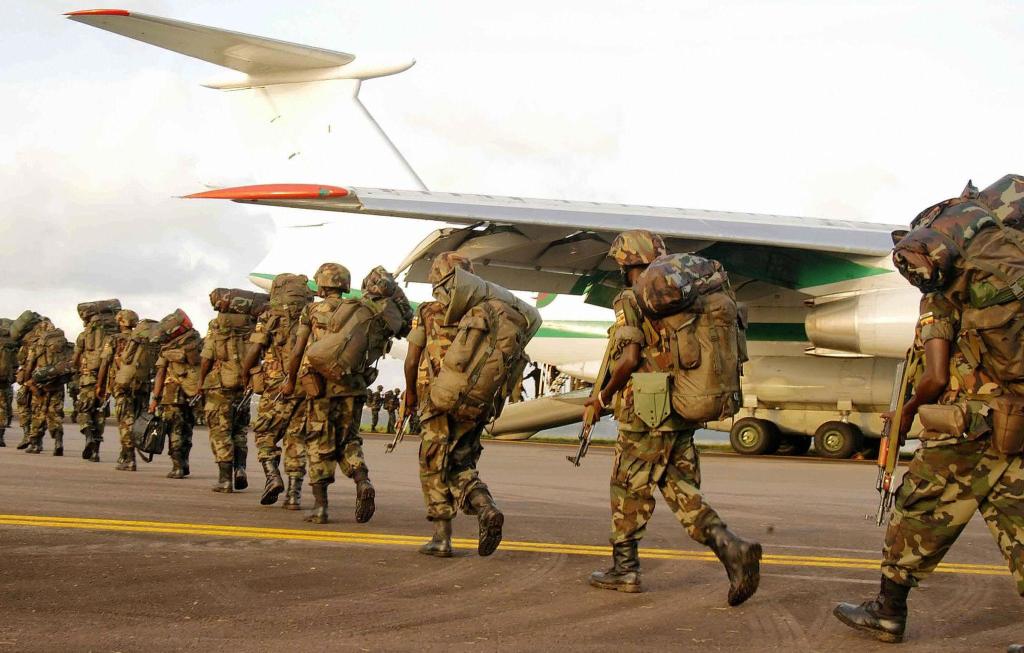
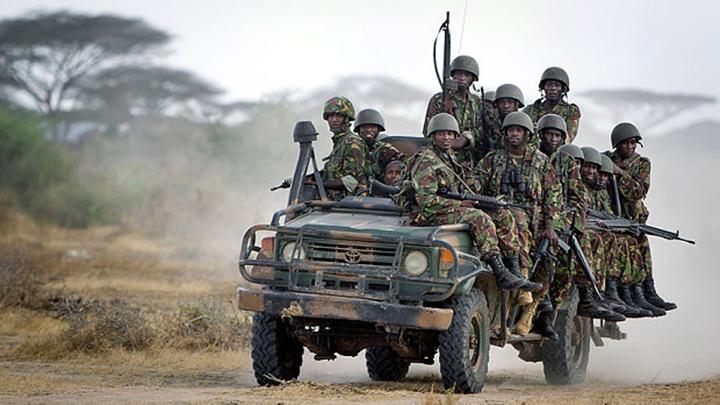
The withdrawal of Ugandan troops, political disagreements between federal and regional leaders, and uncertainty over international security assistance have complicated the country’s security environment.
A prolonged constitutional confrontation could distract political leaders from coordinating military operations and supporting institutions responsible for protecting civilians.
Somalia’s immediate challenge is therefore both political and practical.
Its leaders must establish a credible electoral process while maintaining enough cooperation to confront an insurgency that continues to threaten the country.
The Supreme Court has drawn a constitutional boundary. Whether Somalia’s political institutions can enforce it remains unresolved.
—Matt Gwinta, B1Daily


Leave a Reply