—Vincent Willow, B1Daily
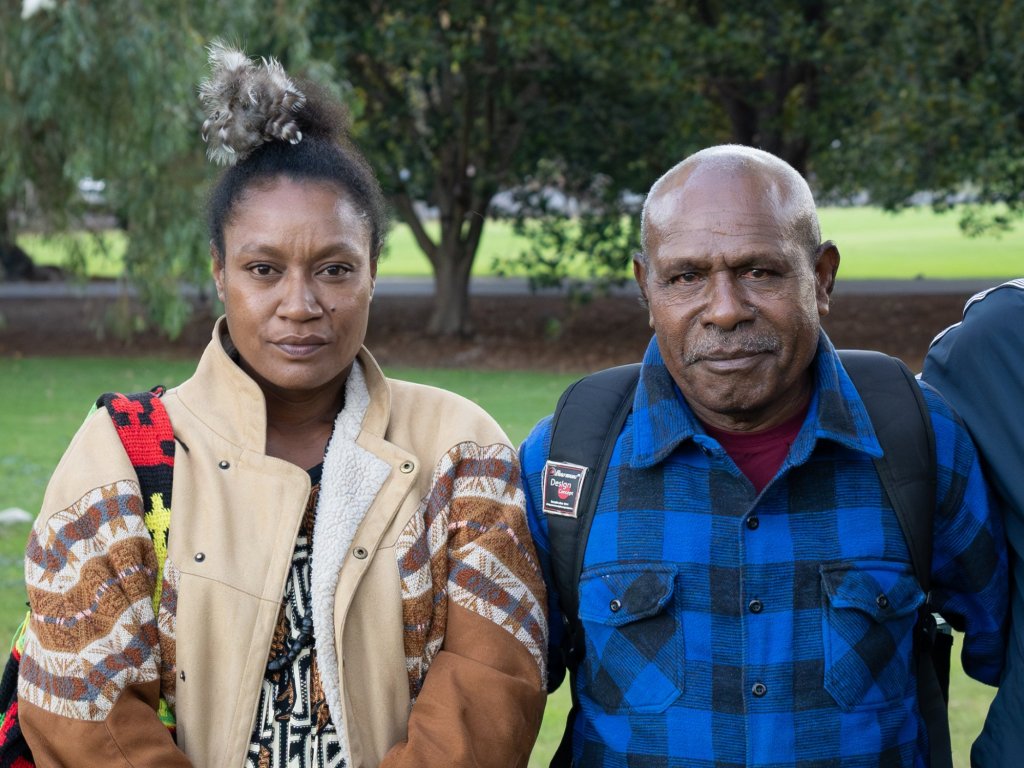
Out in a remote stretch of Papua New Guinea, here we go again. Same script, different postcode. Villagers, no suits, no flash legal teams, just memory, backbone, and a long list of broken promises, staring down TotalEnergies and asking the only question that actually matters: who the hell gave you the right?
This isn’t some quaint little land dispute you tuck away in the back pages. Nah, this is the same old game playing out in real time, where Indigenous land gets treated like a blank cheque and corporations rock up acting like they’ve already cashed it. Big talk about liquefied natural gas, big talk about “growth” and “opportunity,” but on the ground it’s the usual mess, environmental damage, people pushed off country, and promises that evaporate faster than morning dew in the Outback.
Sound familiar? Course it does. Across Australia and the wider region, the pattern’s about as subtle as a jackhammer at sunrise. Most of the big mining and resource projects? Sitting smack on Indigenous land. Consent? Bit optional, apparently. What they call “development” looks a lot like the oldest trick in the book, take what you want, sort the fallout later, and only pay up if someone drags you kicking and screaming to do it.
But here’s where it gets interesting. The script’s starting to crack.
These villagers aren’t playing along anymore. They’re not nodding politely while decisions get made in some air-conditioned boardroom on the other side of the world. They’re pushing back, questioning contracts, calling out dodgy deals, and refusing to be treated like background scenery in their own story. And every time that happens, every time a corporation gets put on the spot, the whole system takes a hit.
Let’s not sugarcoat it. This isn’t just activism. It’s not just a legal stoush.
It’s a tally. A proper one.
Every protest, every court challenge, every delayed project, every deal that gets ripped up or rewritten, that’s another mark on the reparations scoreboard. Not the polite version politicians waffle about, but the real one, measured in land, money, and power clawed back piece by piece.
For years, governments and corporations figured they could just wait Indigenous resistance out. Stretch it, stall it, drown it in paperwork. Turns out that plan’s ageing like milk in the sun. These fights aren’t isolated anymore, they’re linking up, echoing across borders, building pressure that’s getting harder to ignore whether you’re an investor, a minister, or a judge.
And here’s the kicker. Half these projects don’t even deliver what they promise. The big LNG dreams? Plenty of them have left places worse off, more inequality, less benefit, and a whole lot of damage that doesn’t just disappear because a report says “economic growth.” So you’ve got to ask, straight up, if the people aren’t seeing the wealth and the land’s copping the hit, who’s this all really for?
We all know the answer.
That’s why the pushback’s getting louder. Sharper. Less patient.
This isn’t about blocking progress, no matter how much that line gets trotted out. It’s about flipping the script on who actually benefits. First Nations communities aren’t interested in being footnotes in someone else’s profit report anymore. They want terms. They want respect. And more and more, they want restitution.
And every time they dig in and say “not this time,” the scoreboard ticks over.
Not loudly. Not all at once.
But enough to know the game’s changing.
—Vincent Willow, B1Daily





Leave a comment