—Barrington Williams, B1Daily
For decades, Black American artists have pioneered the sounds, dances, and production styles that define modern pop culture, only to watch their innovations be repackaged, repurposed, and monetized without credit or compensation.
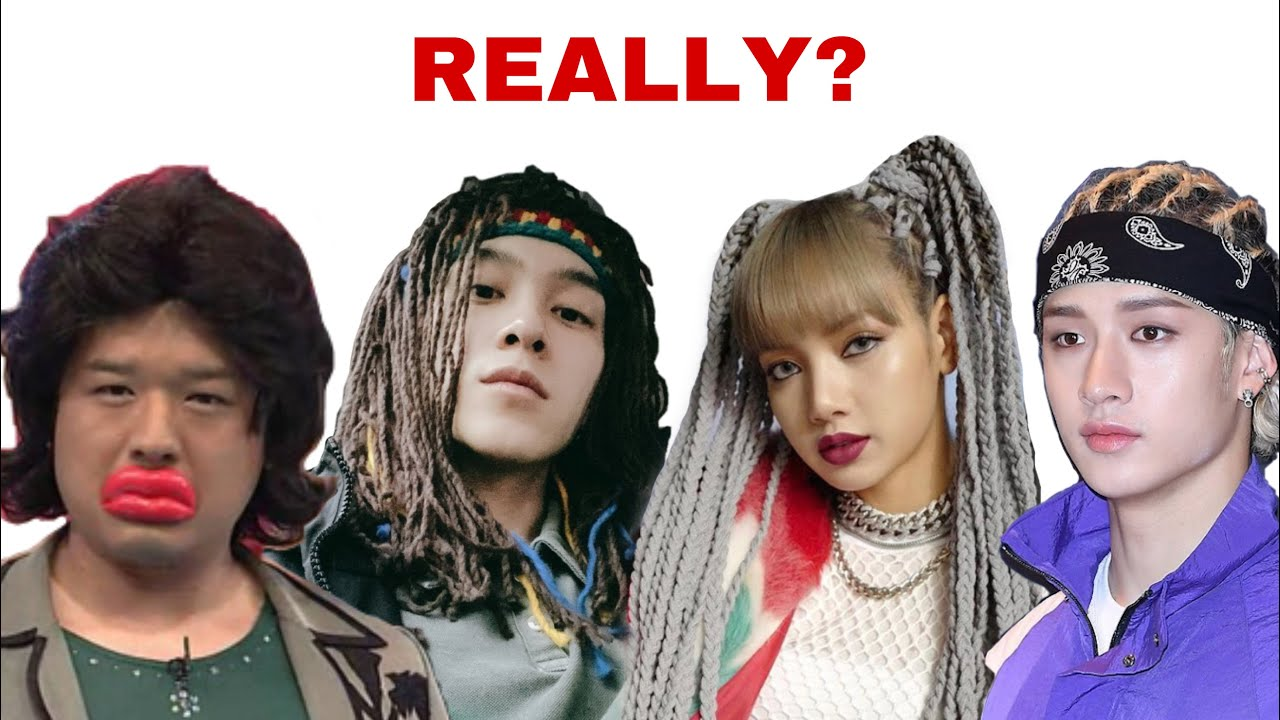
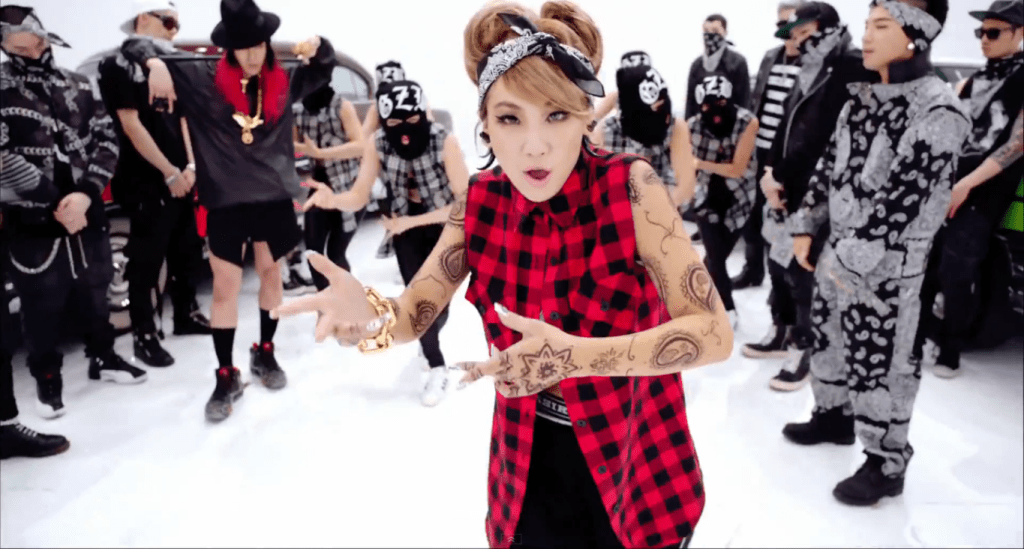
Nowhere is this exploitation more glaring than in the global phenomenon of K-pop, an industry that has built its empire on the backs of Black creativity while systematically erasing its origins. It’s time for Black America to pursue legal action.
Theft Without Credit
From choreography to production techniques, K-pop’s reliance on Black artistry is undeniable. Iconic moves like the Running Man, Twerking or Jookin’, rooted in Black dance traditions, are routinely stripped of context, rebranded as “K-pop choreo,” and sold as original.
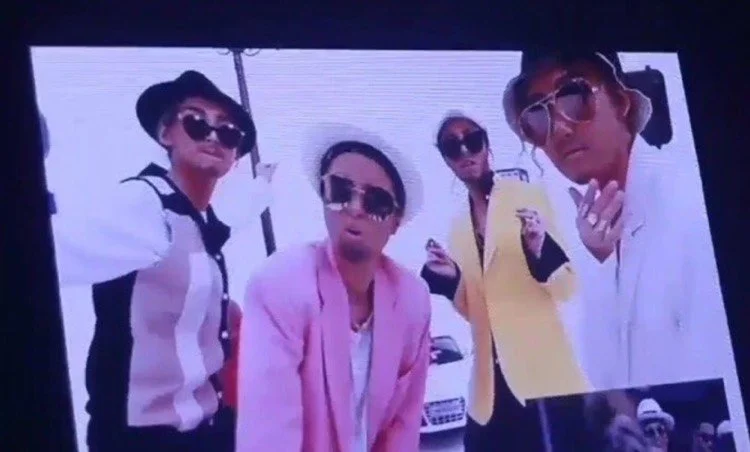
Even more egregious is the sonic plagiarism: entire beats, vocal runs, and stylistic flairs lifted from hip-hop, R&B, and funk are repackaged with Korean lyrics, while Black producers and songwriters are buried in fine print, if credited at all.
Profiting Off Erasure
The K-pop machine doesn’t just borrow, it profits. Groups like BTS, BLACKPINK, and EXO generate billions by marketing Black aesthetics as exotic novelty, while Black artists struggle for recognition in the same spaces.
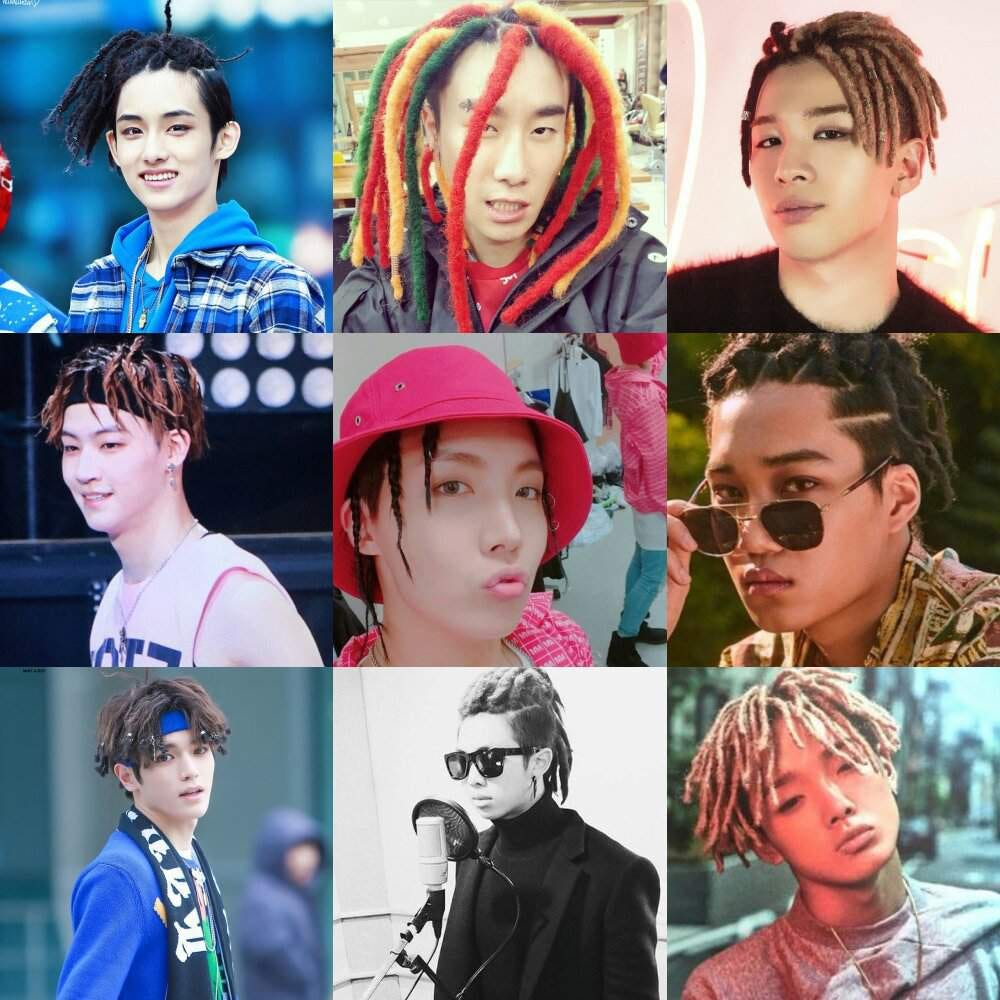
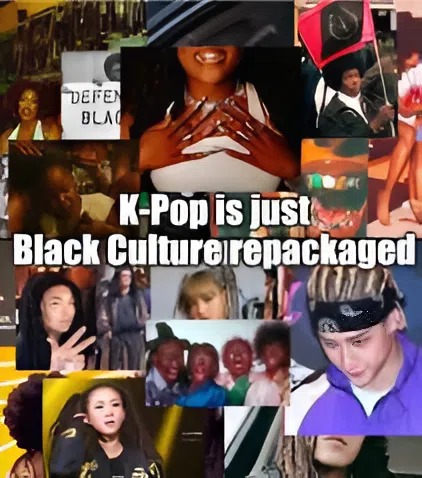
When cultural exchange becomes extraction, when braids, streetwear, and AAVE slang are “trends” on Korean idols but “ghetto” on Black Americans, the double standard is clear. Legal action could force accountability, demanding royalties, reparations, or at minimum, transparent attribution.
The Legal Precedent
Copyright law already protects music and choreography, yet loopholes allow cultural theft to slip through. By mobilizing lawsuits on behalf of choreographers, producers, and songwriters, Black America could redefine intellectual property to include cultural lineage. Imagine a world where every Vogue-inspired dance break or New Jack Swing sample in a K-pop song triggers compensation. The fight wouldn’t just be about money, it’d be about respect.
The Bigger Battle
This isn’t about “hating” K-pop, it’s about dismantling a system that rewards mimicry while marginalizing originators. If Black creators won’t be given their flowers, they must demand them. And if the industry won’t listen? Let the courts decide.
Enough is enough. It’s time to sue.
—Barrington Williams, B1Daily



Leave a comment