
—Barrington Williams, B1Daily
The deaths of former Virginia Lieutenant Governor Justin Fairfax and his wife Cerina Fairfax have drawn national attention, not only because of the violence involved, but because of the complex personal and political history surrounding the couple.
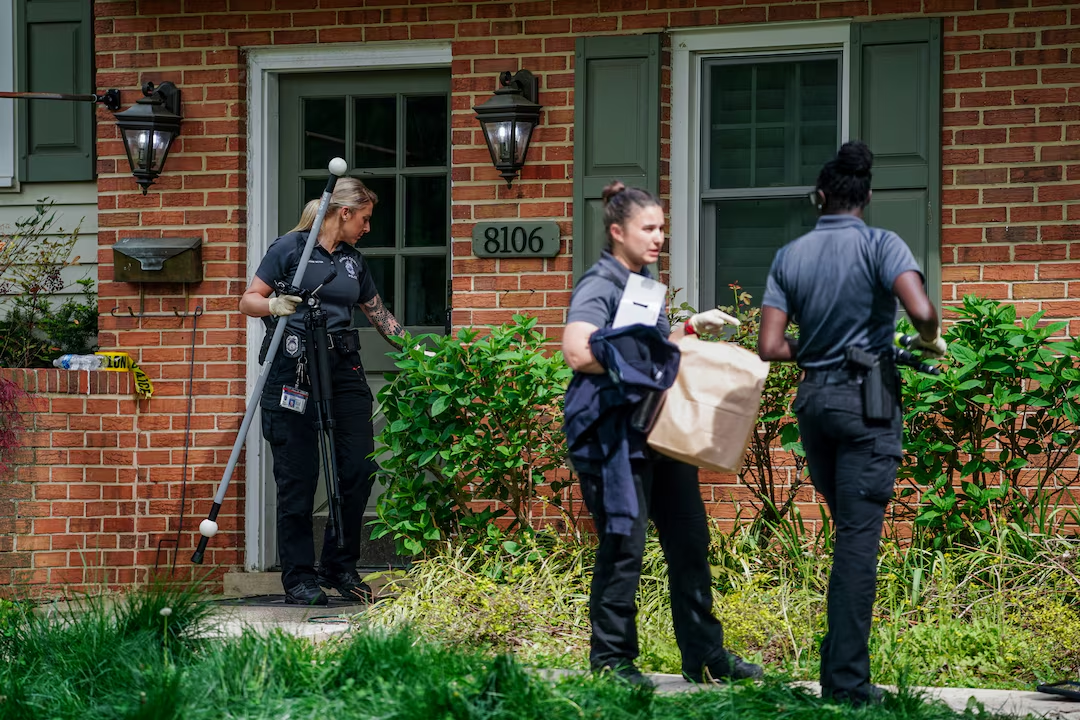
According to Fairfax County Police, Justin Fairfax fatally shot his wife inside their Annandale, Virginia home before taking his own life. Authorities described the incident as a domestic murder-suicide occurring amid a “complicated or messy divorce.” Both of the couple’s teenage children were present in the home at the time of the shooting.

Fairfax, who served as lieutenant governor from 2018 to 2022, was once considered a rising figure in Democratic politics before his career was derailed by sexual assault allegations in 2019, which he denied. The couple had been living separately in a shared residence while undergoing divorce proceedings, with court documents indicating escalating legal and financial tensions.
Reports from court filings and police statements suggest a deteriorating domestic situation prior to the incident, including prior police responses to disputes and ongoing litigation related to custody, housing, and financial obligations. In one earlier incident, Fairfax had alleged domestic assault that investigators later determined to be unsubstantiated based on available evidence.
This case highlights a recurring pattern in high-profile domestic violence tragedies: the intersection of public status, private instability, and institutional breakdown. While public attention often focuses on the political identity of individuals involved, the underlying dynamics typically reflect long-term relational strain, legal pressure, and untreated psychological distress.
From a criminological perspective, murder-suicide cases often emerge in contexts of separation, custody disputes, and perceived loss of control. These incidents are not typically isolated events but the endpoint of escalating domestic conflict, frequently preceded by legal filings, emotional volatility, or prior law enforcement involvement.
The Fairfax case also underscores a broader societal challenge: how institutions respond to warning signs in domestic disputes involving individuals with public stature. High-profile status can amplify both scrutiny and narrative distortion, but it does not necessarily prevent underlying risk factors from developing unchecked.
Ultimately, the tragedy sits at the intersection of private collapse and public consequence. It is a reminder that political prominence does not insulate individuals from the structural realities of domestic violence, mental health deterioration, and relational breakdown.
—Barrington Williams, B1Daily






Leave a comment