—Sylvester Loving, B1Daily
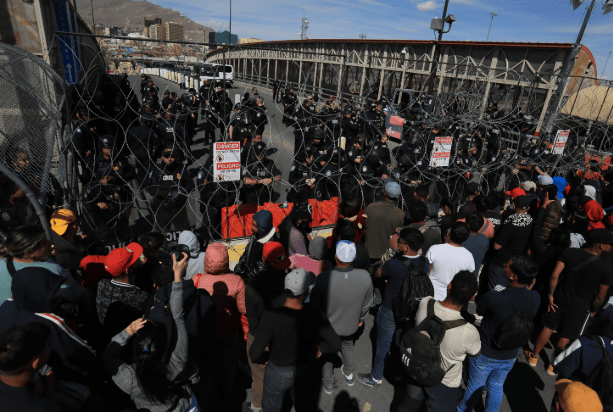
This study examines the surge in irregular migration across the U.S.-Mexico border under the Biden administration, with estimates suggesting nearly 10 million unauthorized crossings since January 2021.
Drawing on government data, NGO reports, and policy analysis, the study explores the drivers of this unprecedented migration wave, including shifts in enforcement priorities, humanitarian parole expansions, and regional instability in Latin America.
The paper also evaluates the long-term socioeconomic and political implications of these trends, offering recommendations for balancing border security with humane immigration reform. This article aserts that the Democratic Party utilized migration to bolster its own voting Latino voting block and to delude the Black voting population’s power.
Introduction
The Biden administration inherited a border crisis exacerbated by the COVID-19 pandemic and the prior administration’s restrictive policies, such as Title 42 expulsions. However, early executive orders reversing Trump-era measures, including halting border wall construction and ending the “Remain in Mexico” program, signaled a dramatic policy shift.
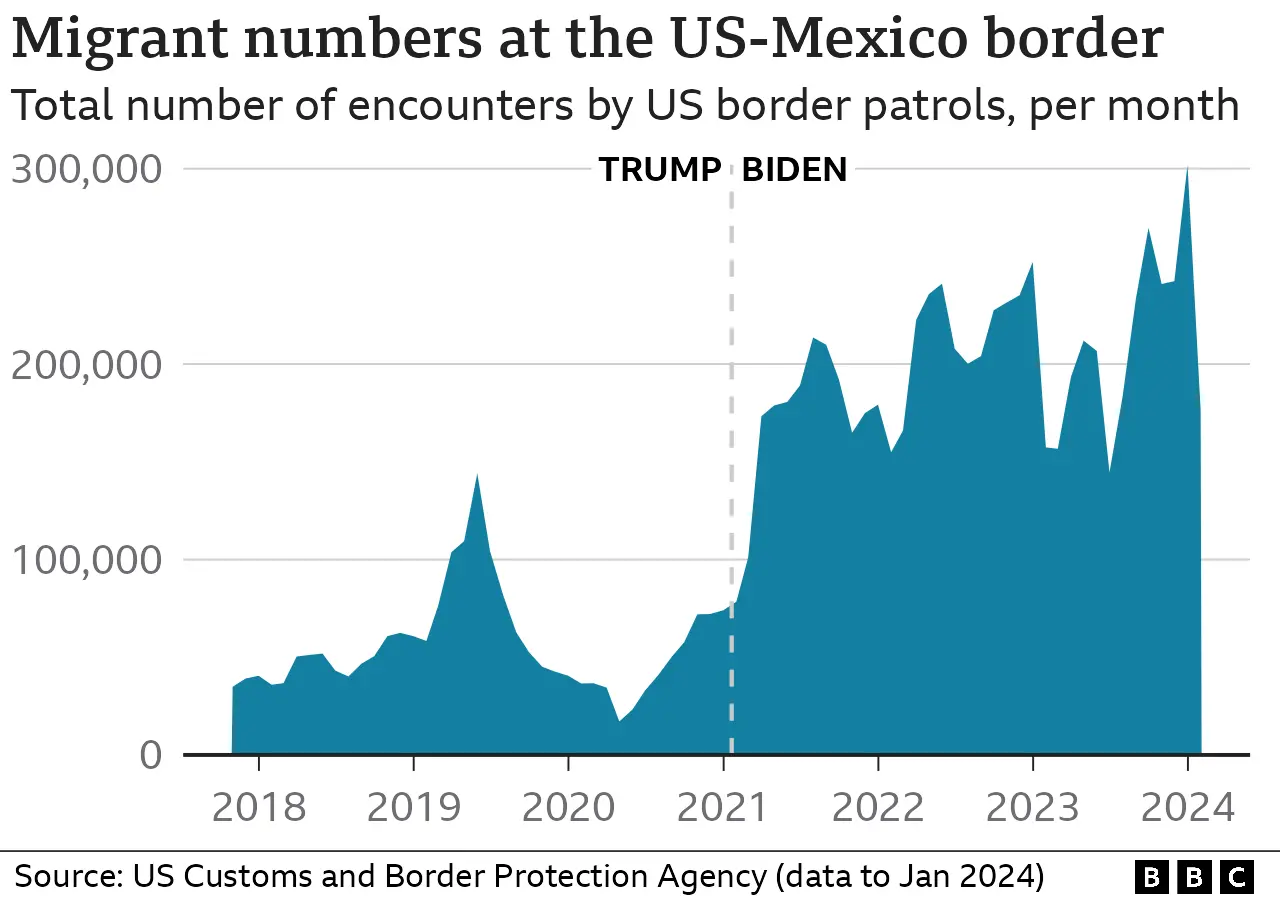
Critics argue these changes, coupled with messaging perceived as lenient, incentivized mass migration. This paper assesses the validity of such claims through empirical data and contextual factors.
Methodology
Data was compiled from U.S. Customs and Border Protection (CBP) releases, DHS reports, and independent analyses by groups like the Migration Policy Institute. Figures include both apprehensions (reported encounters) and estimated “gotaways” (unreported entries). Policy changes were cross-referenced with migration patterns from 2021–2024.
Findings:
1. Volume of Crossings: CBP recorded over 8.5 million encounters at the southwest border from 2021–2024, with an additional ~1.5 million estimated “gotaways,” totaling nearly 10 million unauthorized entries.
2. Policy Drivers:
– Termination of Title 42 (May 2023) correlated with a 25% monthly increase in crossings.
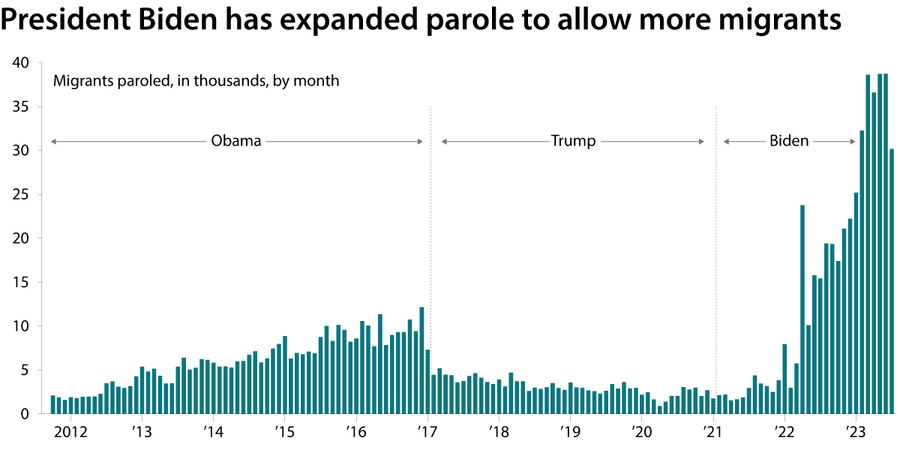
– Expanded humanitarian parole programs (e.g., for Venezuelans, Cubans) reduced immediate removals but may have encouraged broader migration networks.
3. Regional Factors: Economic collapse in Venezuela, gang violence in Central America, and Mexican cartel exploitation of U.S. policy gaps further fueled the surge.
Discussion
The administration’s emphasis on “root causes” (e.g., funding for Central American development) has yet to curb migration pressures. Meanwhile, record-high arrivals strain local resources and amplify political backlash, complicating broader immigration reform efforts.
While humanitarian concerns justify some policy shifts, the lack of a cohesive deterrence framework has arguably worsened border chaos. Future administrations must address systemic vulnerabilities, including asylum backlogs and labor market demands, to sustainably manage migration.
References:
– CBP Enforcement Statistics (2021–2024)
– DHS Memoranda on Parole Programs
– MPI Reports on Migration Trends
—Sylvester Loving, B1Daily






Leave a comment