
—Vanessa Edwards, B1Daily
There’s a growing trend in modern celebrity commentary where independence gets repackaged as a full lifestyle blueprint, and somehow that conversation keeps circling back to Black women. Recently, actress Taraji P. Henson has been widely discussed online in relation to her views on relationships, marriage, and being single, with some interpreting her stance as encouragement for women to opt out of marriage or traditional family structures entirely.
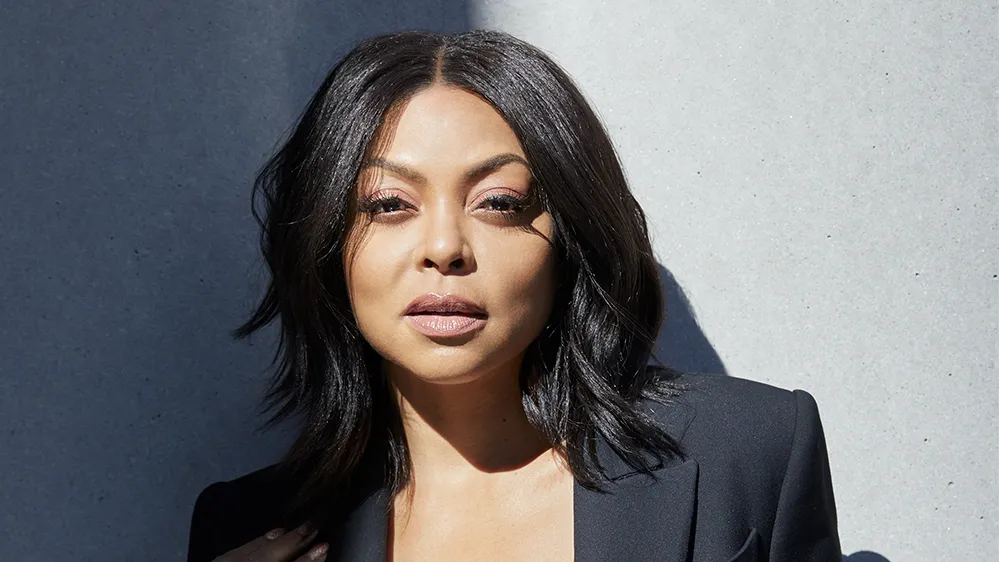
Now let’s be real for a second. Independence is powerful. Self-worth is non-negotiable. No woman should ever feel forced into a relationship just to survive. But there’s a difference between choosing yourself and normalizing single motherhood or long-term relationship avoidance as the default path forward.
Because when advice like this gets amplified, especially from influential women, it doesn’t land in a vacuum. It lands in communities already dealing with rising rates of single-parent households, economic strain, and emotional burnout. And for many Black women, who already carry disproportionate responsibility in family structures, the message can start to feel less like empowerment and more like resignation dressed up as liberation.
But there’s a difference between choosing yourself and normalizing single motherhood or long-term relationship avoidance as the default path forward.
Here’s where the tension sits.
On one hand, Taraji P. Henson has openly shared that marriage has not been her personal path and that she values peace, autonomy, and emotional boundaries in relationships. That’s her lived experience, and no one can take that away from her.
But on the other hand, lived experience isn’t automatically a blueprint for everyone else.
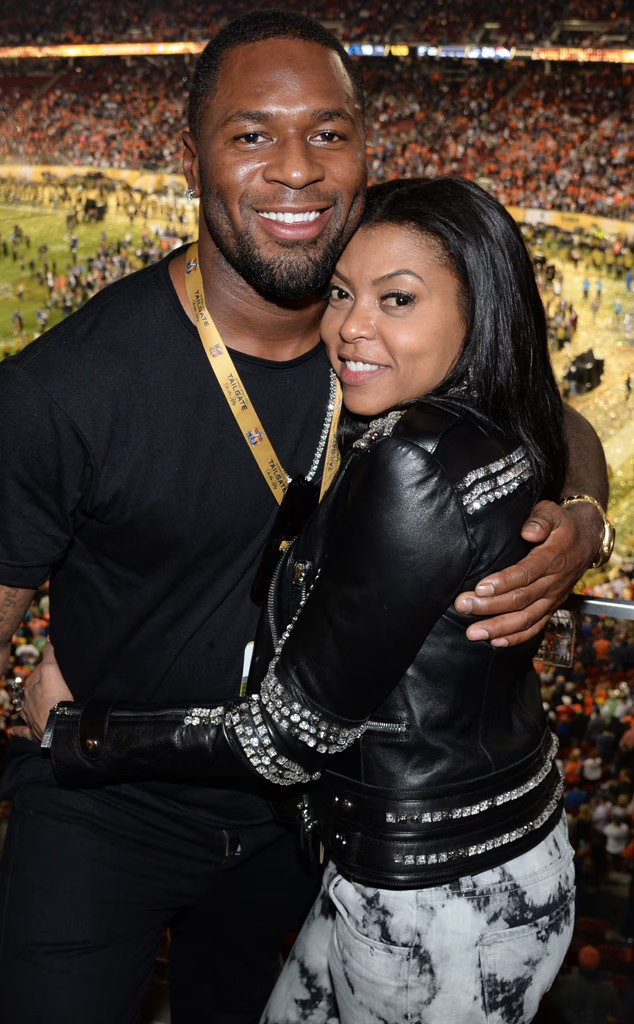
Because the reality is this: children don’t just need love, they need structure, stability, and shared responsibility. And statistically and socially, two-parent households—when healthy and safe—still provide stronger economic and emotional scaffolding for raising children.
So when conversations drift into “just stay single and figure it out,” it deserves pushback. Not because single mothers are failing—far from it—but because normalizing it as the ideal outcome ignores the weight that often comes with doing everything alone.
There’s also a deeper cultural layer here that cannot be ignored. Black women have historically been asked to carry everything—family, labor, emotional survival, community leadership—often without equal support. So when public figures frame singlehood as the most empowered route, it can unintentionally reinforce a system where men are further absolved of responsibility in building stable homes.
And that’s where the concern really lies.
This isn’t about shaming women who are single mothers. It’s about refusing to let structural imbalance get rebranded as personal preference. It’s about saying clearly: independence is not supposed to replace partnership, and resilience is not supposed to replace support.
Black women deserve more than survival narratives. They deserve partnership narratives. They deserve marriage narratives built on respect, accountability, and shared investment before children enter the picture—not after the fact.
Because empowerment shouldn’t mean carrying everything alone.
It should mean not having to.
—Vanessa Edwards, B1Daily




Leave a comment