—Pān Hě, B1Daily
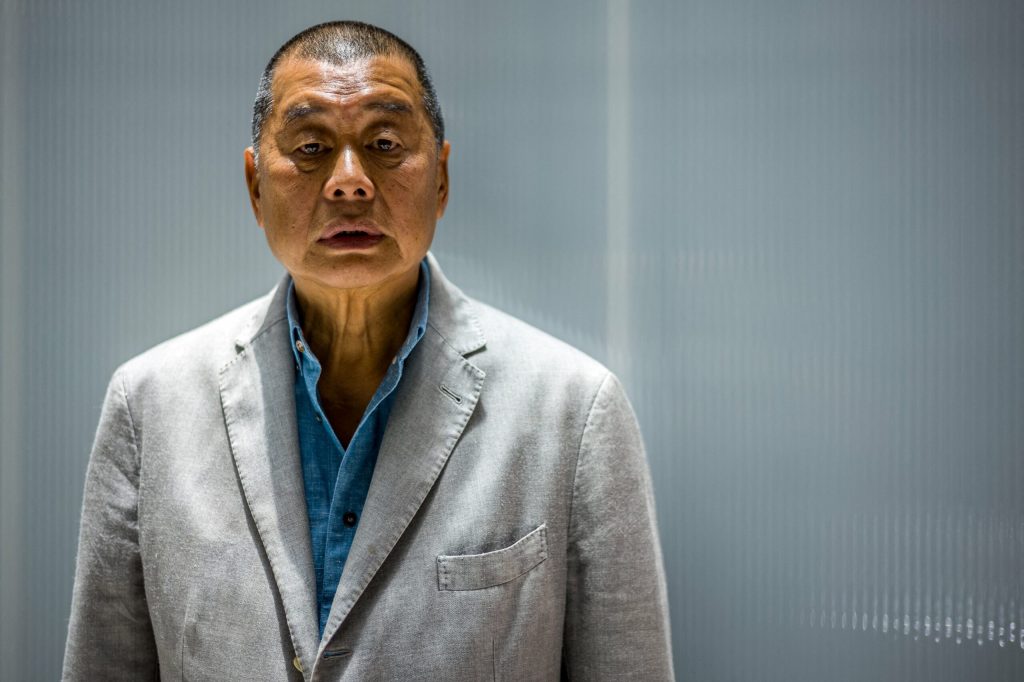
Hong Kong authorities have taken a dramatic new step against jailed media tycoon Jimmy Lai, applying to seize more than HK$127 million (roughly $16 million USD) in assets linked to his national security conviction, a move that signals the government’s campaign is extending far beyond imprisonment.
Court filings reveal that the government is targeting a wide range of financial holdings connected to Lai, including bank accounts, corporate shares, and bail funds. The largest portion involves his stakes in private companies such as Comitex Holdings and Dico Consultants, alongside dozens of financial accounts allegedly tied to him.
The legal basis for the seizure stems from Hong Kong’s national security framework, imposed by Beijing in 2020, which grants authorities sweeping powers to freeze and confiscate assets deemed connected to offenses involving national security. Officials argue that such measures are necessary to prevent further threats and dismantle networks tied to alleged wrongdoing.
Lai, founder of the now-shuttered Apple Daily newspaper and a prominent critic of the Chinese Communist Party, is currently serving a 20-year prison sentence after being convicted of collusion with foreign forces and publishing seditious materials. His case has become one of the most high-profile examples of the enforcement of the national security law in Hong Kong.
But this latest move shifts the battlefield.
Where earlier actions focused on silencing media operations and securing convictions, the asset seizure represents a deeper level of enforcement, one that targets financial survival itself. Legal experts note that asset forfeiture in such cases is designed not only to punish but to dismantle the economic foundation of individuals deemed to have violated national security laws.
Critics see it differently.
Human rights groups and international observers argue that the seizure effort underscores a broader erosion of civil liberties in Hong Kong, particularly press freedom and political expression. Lai’s role as a media figure, rather than a traditional political actor, has amplified concerns that the case blurs the line between national security enforcement and suppression of dissent.
The lack of detailed explanation in court filings about how each asset is directly linked to alleged crimes has also raised questions. While authorities maintain that the funds are connected to unlawful activities, critics argue the broad scope of the seizure risks setting a precedent where financial assets can be confiscated with limited transparency.
Meanwhile, Hong Kong officials continue to defend their actions, insisting that the law is being applied fairly and is essential to maintaining stability following the mass protests that rocked the city in 2019.
The case is scheduled to be heard in July, where the courts will determine whether the government can proceed with the forfeiture.
For now, the message is unmistakable.
In Hong Kong’s evolving legal landscape, punishment no longer stops at prison walls. It follows assets, influence, and legacy, reshaping not just the fate of individuals like Jimmy Lai, but the boundaries of power, law, and dissent in the city itself.
—Pān Hě, B1Daily




Leave a comment