—Sylvester Loving, B1Daily
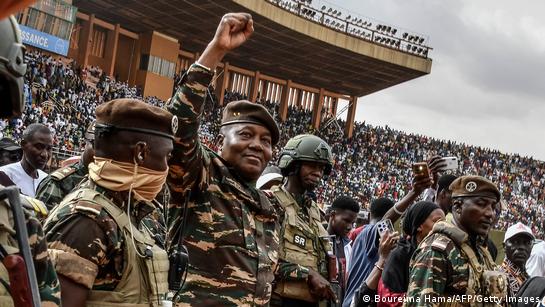
The political standoff in Niger has sharpened once again after its military authorities rejected calls from the European Union to release ousted President Mohamed Bazoum. The move reinforces Niamey’s increasingly hardline stance against international pressure and underscores how far relations have deteriorated since the 2023 coup.
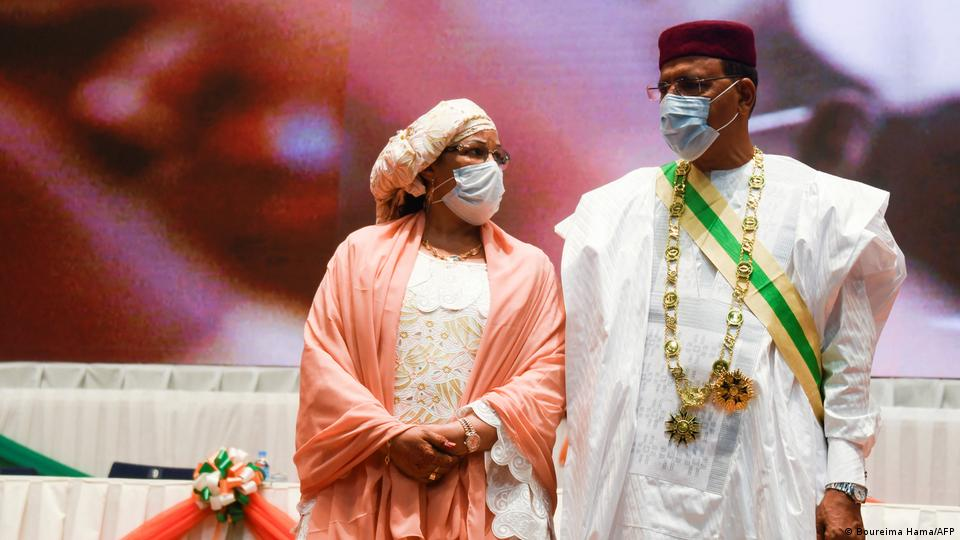
At the center of the dispute is former president Mohamed Bazoum, who has remained in detention since being removed from power by the military junta in July 2023. Despite repeated demands from international bodies, including a formal European Parliament resolution calling for his immediate release, Niger’s ruling authorities continue to hold him in custody and reject external intervention in the matter.
The European Union has framed Bazoum’s detention as arbitrary and a violation of democratic norms, insisting that he remains the legitimate, democratically elected leader of Niger. European lawmakers have repeatedly urged the junta to restore constitutional order and release both Bazoum and his family without conditions.
Niamey, however, has taken a sharply different position. The military government has denounced the EU’s stance as interference in internal affairs and rejected what it describes as “directive-style diplomacy” from Brussels. Officials argue that Niger alone has the authority to determine its political transition and legal processes, and they have dismissed external resolutions as illegitimate pressure campaigns.
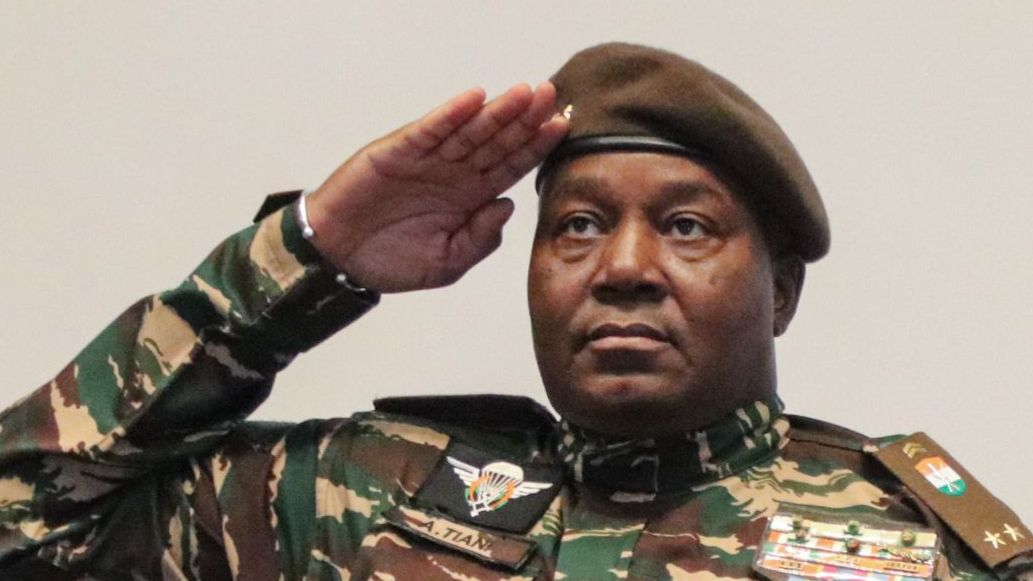
The dispute reflects a broader geopolitical fracture between Niger’s junta and Western partners. Since the coup, the country has increasingly aligned itself with other Sahel military-led governments, pushing back against former alliances and reshaping its foreign policy posture around sovereignty and anti-intervention rhetoric. The Bazoum case has become the symbolic centerpiece of this realignment.
At the same time, international organizations continue to escalate criticism. Human rights groups and parliamentary bodies describe Bazoum’s continued detention as unlawful and politically motivated, warning that prolonged incarceration without transparent legal proceedings risks further destabilizing an already fragile security environment in the Sahel.
Yet despite mounting diplomatic pressure, Niger’s position shows no sign of softening. The junta has made clear that decisions regarding Bazoum’s fate will not be dictated by external actors, signaling a prolonged standoff that blends legal dispute, political legitimacy, and regional power competition.
For now, the impasse leaves Niger locked between competing narratives: one side framing the detention as a violation of democracy, the other asserting it as an internal matter of sovereignty. And in that gap between law and power, the stalemate continues to harden.
—Sylvester Loving, B1Daily




Leave a comment