—Kerry Hill, B1Daily
CHARLOTTE, N.C. | A disturbing scandal inside the Charlotte-Mecklenburg Police Department (CMPD) has exposed allegations of anti-Black racism among six officers, raising serious questions about racial profiling, police accountability, and whether Black residents were being treated as citizens or targets.
According to investigative reporting, officers allegedly participated in a group text thread containing repeated racial slurs, discussions about shooting Black residents, and even a competition over who could pull over the most Black motorists. What makes these revelations particularly alarming is that these were not random internet trolls exchanging hateful messages. They were sworn law enforcement officers entrusted with the authority to detain, search, and potentially use deadly force against the very people they allegedly ridiculed.
Racism Behind the Badge
The messages reportedly surfaced during a separate investigation into former CMPD officer Seth Elliott, who was accused of improperly accessing automated license plate reader technology. Investigators examining his phone uncovered communications that prompted an internal investigation into the six officers.
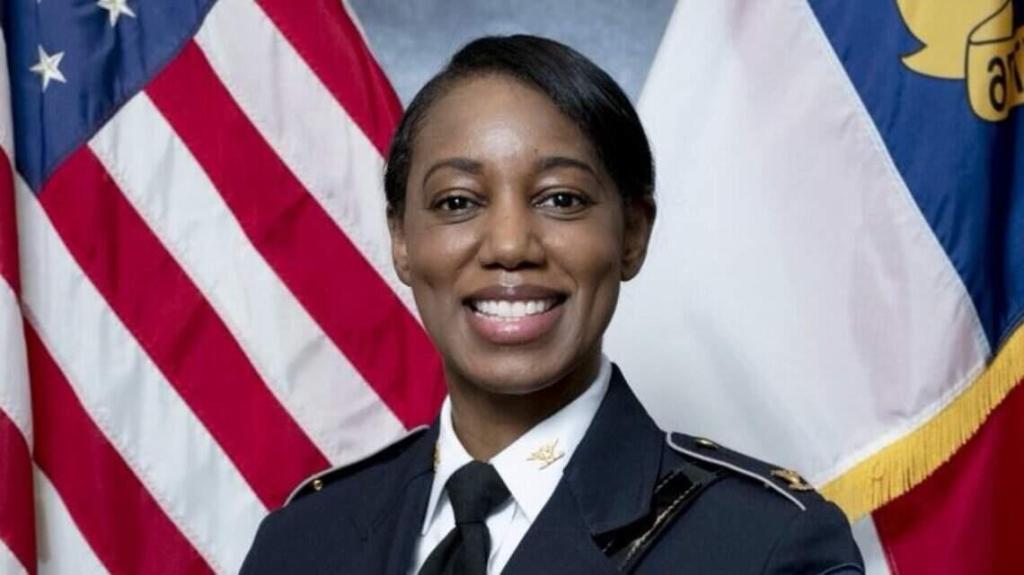
The consequences have already begun. Three officers have resigned, while Police Chief Estella Patterson has recommended terminating the remaining three. Patterson also revealed that the messages demonstrated racial, religious, and sexual biases extending back several years.
But resignations and disciplinary proceedings only address part of the problem. If officers were allegedly competing to stop Black motorists, the public deserves to know whether those attitudes influenced actual traffic stops, arrests, searches, and uses of force.
The Numbers Make the Allegations Even More Disturbing
According to CMPD traffic-stop data reported through NC CopWatch, Black drivers accounted for approximately 56% of traffic stops and 83% of vehicle searches through May 31, 2026.
Those disparities alone do not establish unlawful discrimination, but combined with allegations of officers openly discussing racial targeting, they warrant serious independent scrutiny.
How many Black motorists were stopped by the officers involved? Were questionable arrests made? Did racial hostility influence decisions to search vehicles or escalate confrontations? And perhaps most importantly, how many other officers knew about these conversations without reporting them?
These are questions that cannot be answered by simply accepting a resignation letter.
The Department Faces a Civil Rights Reckoning
Chief Patterson says the department has examined body-camera footage, traffic-stop records, arrest histories, and complaints involving the officers. Thus far, she says the review has not uncovered evidence establishing the suspected civil rights violations. Nevertheless, she has requested federal assistance and is seeking to revoke the officers’ law enforcement certifications.
That distinction matters. The alleged messages are deeply troubling, but investigators must still determine whether discriminatory attitudes translated into unlawful conduct.
North Carolina NAACP leaders are demanding accountability, including decertification to prevent implicated officers from quietly moving into another police department.
The broader concern extends beyond six officers. Police departments routinely ask Black communities to trust their judgment, cooperate with investigations, and believe that officers will enforce the law impartially. Revelations of racially hostile conversations among officers threaten that trust, especially when the allegations involve deliberate targeting of Black drivers.
The central question now is not simply whether six officers deserve to wear a badge. It is whether the department can demonstrate that the people those officers policed received equal protection under the law.
Charlotte’s Black residents deserve a transparent investigation, a meaningful review of potentially affected cases, and accountability supported by evidence rather than another institutional promise that the problem has been handled.
—Kerry Hill, B1Daily




Leave a Reply