—Terrence Dorner, B1Daily
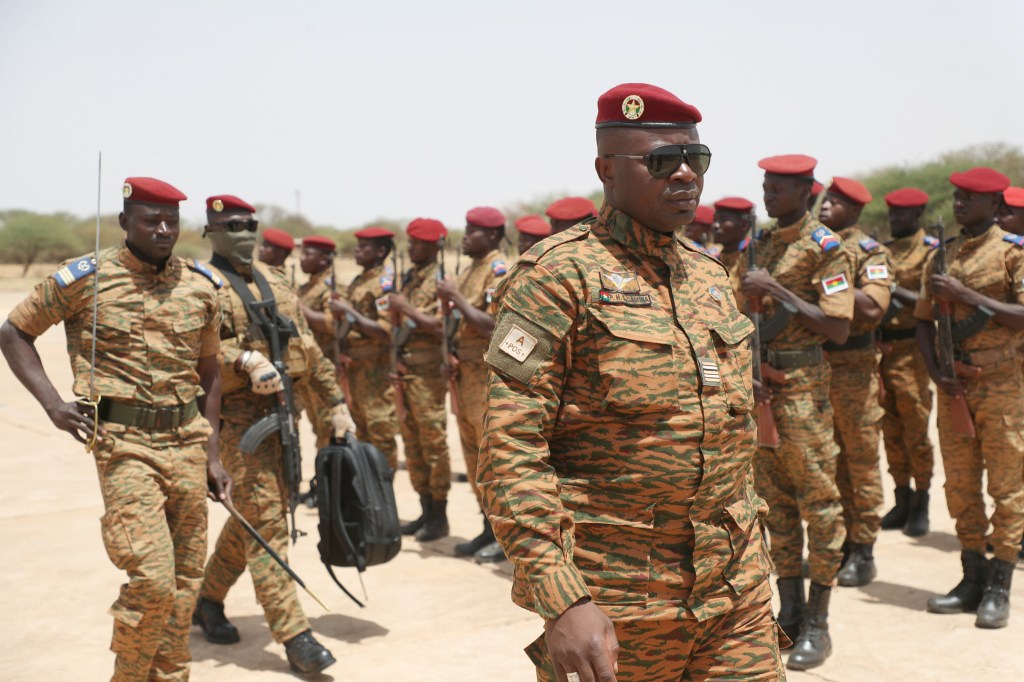
In the dust-choked battlefields of the Sahel, survival is no longer about maintaining a standing army. It’s about mobilizing a nation. And now, Burkina Faso is making that pivot in dramatic fashion.
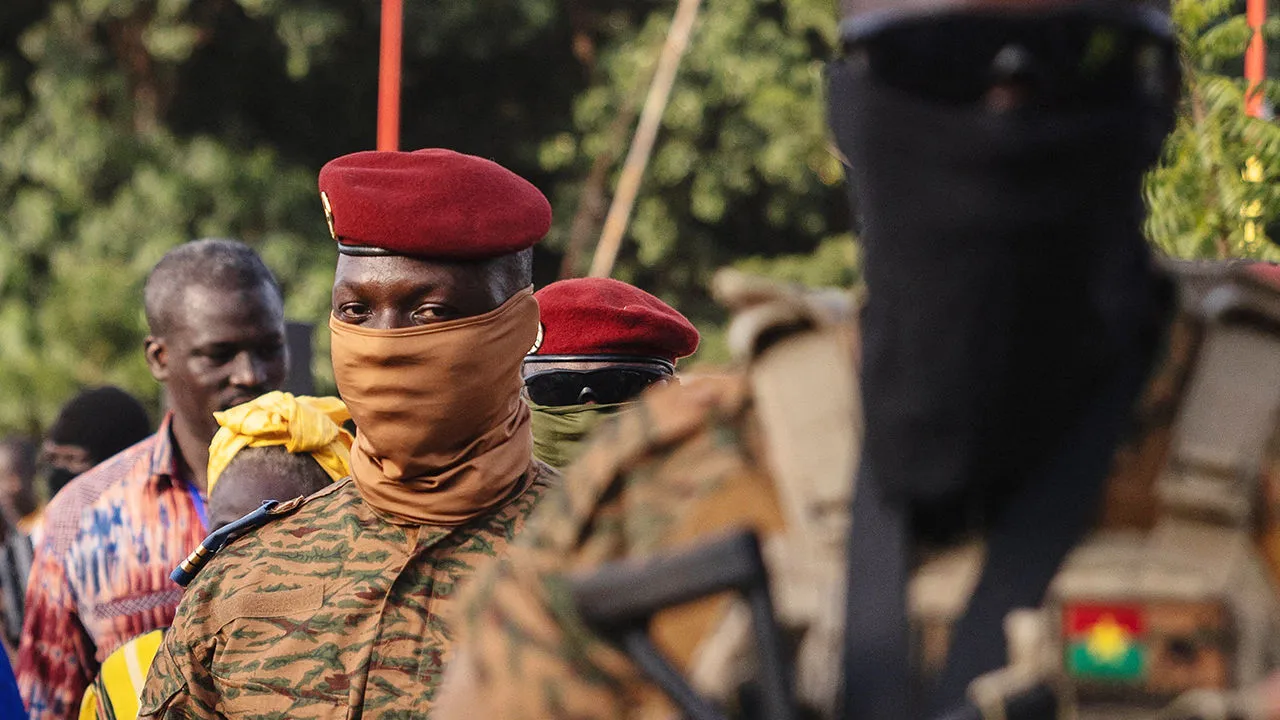
The government has approved a plan to build a 100,000-strong military reserve force, a move that transforms the country’s defense posture from conventional force structure into something closer to mass mobilization. The objective is blunt: reinforce overstretched security forces and push back against relentless insurgent pressure.
A Two-Tier Fighting Force
The proposed reserve isn’t just a symbolic number. It’s structured as a layered force designed for rapid deployment:
- Former soldiers who can be reactivated immediately
- Civilians trained and integrated into national defense roles
This hybrid model creates a flexible manpower pool that can be surged into hotspots without the long delays of traditional recruitment cycles. It’s a wartime adaptation to a battlefield where speed matters more than formality.
Why 100,000?
Because the threat demands it.
Burkina Faso has been locked in a grinding conflict with jihadist groups, particularly factions linked to Jama’at Nusrat al-Islam wal-Muslimin and Islamic State in the Greater Sahara. These groups operate across vast, porous الحدود, striking villages, military posts, and supply lines with brutal efficiency.
The current force structure simply isn’t enough to cover the terrain.
By expanding into a reserve-heavy model, the government is trying to solve a basic military problem: too much land, not enough soldiers.
The Traoré Doctrine
Under military leader Ibrahim Traoré, the country has steadily moved toward a doctrine of self-reliance. Foreign partnerships have shifted, Western military presence has faded, and the burden of security is now squarely domestic.
This reserve plan fits neatly into that doctrine.
It emphasizes:
- National participation in defense
- Rapid mobilization over professional exclusivity
- Quantity as a counterbalance to insurgent mobility
In short, it’s an attempt to outscale the insurgency.
Strategic Advantages and Risks
On paper, a 100,000-person reserve is a force multiplier. It allows:
- Faster response to attacks in rural zones
- Reinforcement of vulnerable garrisons
- Increased territorial presence
But mass mobilization comes with trade-offs.
Training civilians to combat readiness is time-intensive. Command and control become more complex as force size increases. And poorly trained reservists can become liabilities in high-intensity engagements.
There’s also the question of discipline. Militias and auxiliary forces in the Sahel have, in some cases, been linked to abuses that alienate local populations, ultimately feeding the insurgency they are meant to defeat.
A Region on Edge
Burkina Faso is not acting in isolation. Alongside Mali and Niger, it forms part of a volatile security bloc where jihadist groups exploit weak state control and vast geography.
Recent attacks across the region have shown increasing coordination among militant networks, raising the stakes for governments trying to contain them.
In that context, the reserve plan isn’t just a policy decision.
It’s a signal.
A signal that Burkina Faso is preparing for a long war, one that won’t be won by elite units alone, but by mobilizing society itself.
War by Numbers
A 100,000-strong reserve doesn’t guarantee victory. But it changes the math.
More boots on the ground. More eyes in contested مناطق. More capacity to absorb and respond to attacks.
Whether that translates into strategic success depends on execution, training, and the ability to maintain cohesion under pressure.
Because in the Sahel, numbers can win battles.
But discipline, intelligence, and legitimacy win wars.
—Terrence Dorner, B1Daily




Leave a comment