—Barrington Williams, B1Daily
Black political activism in America has never followed a single playbook. From courtroom battles and voter-registration drives to street demonstrations and viral campaigns, different generations have developed different strategies for confronting discrimination and expanding Black political power. Today, one of the most important developments in Black politics is the contrast between established civil-rights institutions and a younger generation of Black political organizations and activists.
Groups such as the NAACP, National Urban League, and Southern Christian Leadership Conference represent an institutional tradition shaped heavily by the civil-rights struggles of the twentieth century. Their priorities historically centered on voting rights, desegregation, employment discrimination, educational opportunity, economic advancement, and enforcement of constitutional protections.
Their strategy has generally been to change the system by working through its institutions.
The NAACP’s legal campaign against segregation provides perhaps the clearest example. Rather than relying exclusively on demonstrations, the organization spent years challenging discriminatory laws through the courts. That strategy contributed to landmark victories including Brown v. Board of Education in 1954.
Civil-rights organizations also developed relationships with presidents, members of Congress, governors, corporations, churches, unions, and other influential institutions. Lobbying, lawsuits, voter registration, coalition building and negotiations became essential weapons in their political arsenal.
That approach produced enormous victories, but a younger generation of Black activists has increasingly questioned whether access to political institutions always translates into meaningful power.
A New Generation With a Different Playbook
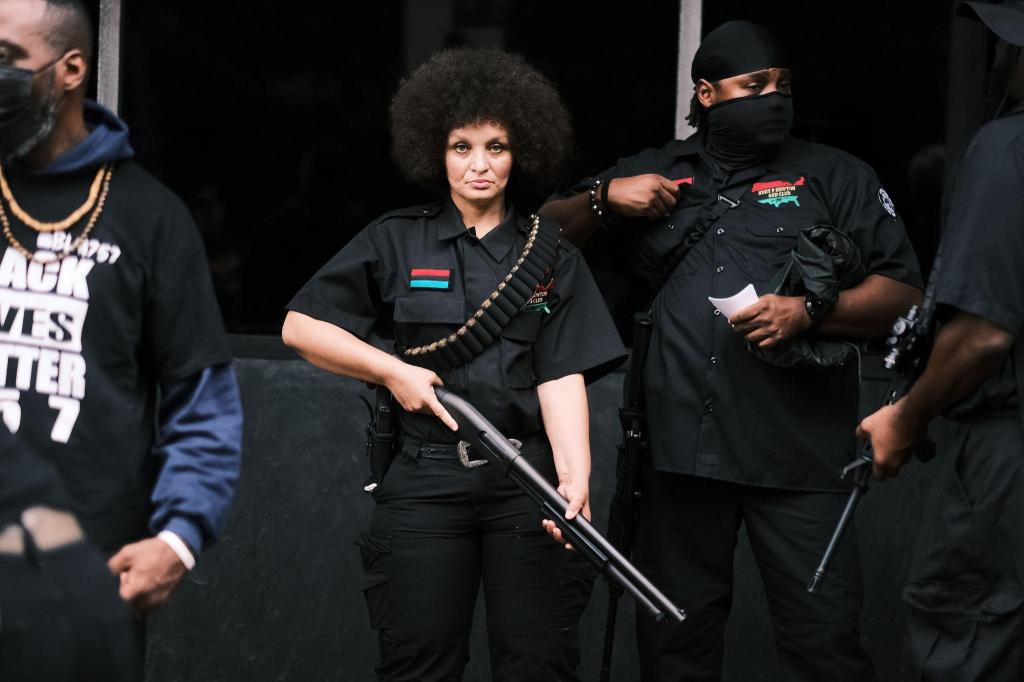
The rise of organizations and movements such as Black Lives Matter represented a significant change in Black political organizing. Younger activists have often embraced decentralized leadership, grassroots demonstrations and social media campaigns instead of relying primarily on traditional organizational hierarchies.
Their political priorities have also expanded.
Police accountability and criminal justice remain major concerns, but younger activists have frequently connected racial inequality to housing, healthcare, environmental policy, LGBTQ rights, student debt, workplace inequality and broader questions about wealth and economic power.
Social media has transformed how these movements operate. Previous generations often needed established organizations, newspapers, churches and community leaders to mobilize thousands of people. Today’s activists can transform a cellphone video, hashtag or local incident into a national political controversy within hours.
That gives younger movements extraordinary communications power, but it also creates a different organizational structure. A movement capable of mobilizing thousands of protesters online may not possess the permanent local chapters, legal departments, lobbying operations or donor infrastructure accumulated by older civil-rights organizations.
Access to Power vs. Pressure on Power
Perhaps the largest difference is how the two generations approach politicians.
Established civil-rights organizations generally view relationships with elected officials as necessary. If activists want legislation passed, judges confirmed, federal regulations changed or funding appropriated, somebody eventually has to enter the negotiating room.
Younger activists are often more skeptical.
Rather than celebrating access to powerful politicians, many ask what Black communities actually received from that access. They are more likely to publicly confront elected officials, organize demonstrations, support primary challenges or criticize both Republicans and Democrats when they believe Black interests are being neglected.
This creates a fascinating tension within modern Black politics.
The older model essentially argues: Get a seat at the table and negotiate.
The newer model increasingly asks: What good is the seat if someone else still controls the menu?
Neither question is trivial.
Political movements that refuse to negotiate can struggle to transform demonstrations into legislation. But organizations that become too comfortable with political establishments risk becoming reluctant to challenge the very institutions they were created to pressure.
The Strengths and Weaknesses of Both Approaches
Established organizations possess something extremely valuable: infrastructure. Decades of experience have produced attorneys, lobbyists, local chapters, donors, policy experts and relationships with decision-makers. They understand how to turn political demands into lawsuits, legislation and administrative policy.
Younger organizations possess a different kind of power: speed and independence.
They can elevate issues that established organizations or politicians might prefer to avoid. They can organize outside conventional political structures and force subjects into national conversation before Washington has decided how it wants to discuss them.
But both models have vulnerabilities.
Traditional organizations can become bureaucratic, overly cautious or too dependent upon donors and political relationships. Decentralized movements can struggle with leadership disputes, organizational continuity and converting enormous public attention into durable political institutions.
The challenge for Black politics is therefore not simply deciding which generation has the superior strategy.
It is figuring out how to combine them.
Black Politics May Need Both the Institution and the Street
American history suggests that institutional negotiation and grassroots pressure can be most powerful when operating simultaneously.
Civil-rights legislation did not emerge solely because politicians suddenly discovered moral courage. Demonstrations, boycotts, organizing and public outrage created political pressure, while lawyers, lobbyists, organizers and elected officials translated portions of that pressure into enforceable law.
That formula remains relevant.
Younger organizations can provide urgency, independence and mass mobilization. Established organizations can provide legal expertise, institutional memory and the machinery necessary to transform demands into policy.
The future of Black political organizing may therefore belong neither entirely to the old guard nor entirely to the new wave.
The more consequential question is whether the two can complement each other: one applying pressure outside the halls of power while the other knows exactly which doors to open once that pressure becomes impossible to ignore.
—Barrington Williams, B1Daily


Leave a Reply